AJS Furniture
When considering space-saving solutions, one question frequently arises: "Which wardrobe door style saves the most space?" According to Thomas Green, an expert in wardrobe design, “Sliding doors maximize floor space and offer a sleek look.” This is particularly true in smaller rooms, where every inch counts.
Sliding wardrobe doors are designed to glide, eliminating the need for door swings. This unique feature allows for more furniture placement options, leading to better utilization of available space. In contrast, hinged doors require additional clearance, often resulting in wasted areas in compact layouts.
Despite their advantages, sliding doors can pose challenges. Cleaning the tracks may feel cumbersome, and repairs can be tricky. It’s essential to weigh these factors against the benefits. Ultimately, understanding "Which wardrobe door style saves the most space" is crucial in making informed choices tailored to any specific room or lifestyle.
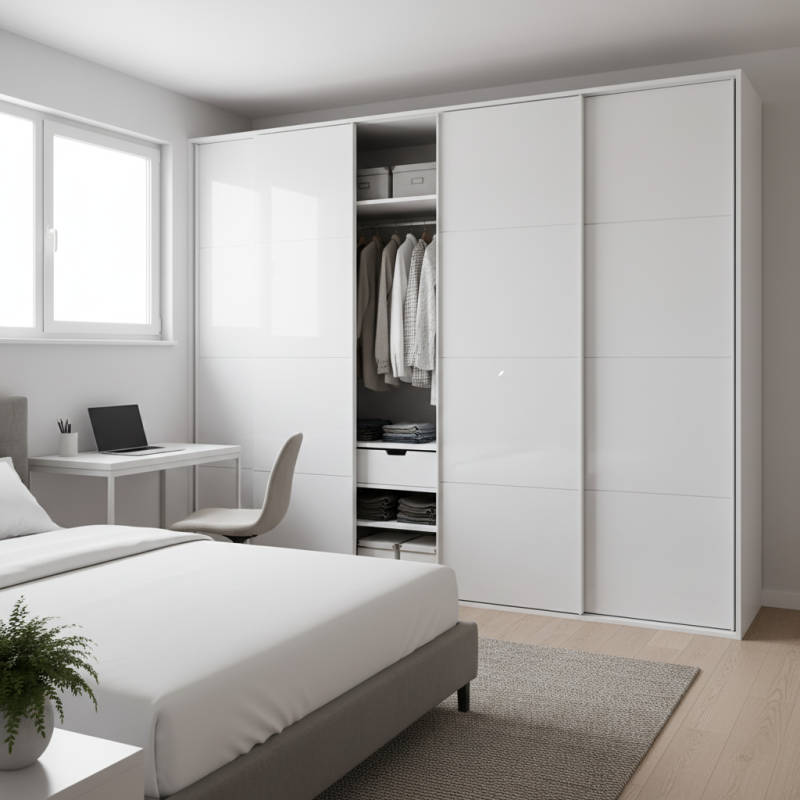
Sliding wardrobe doors are increasingly popular for good reasons. They optimize space effectively in both small and large rooms. With their smooth operation, they require less clearance compared to traditional doors. This feature makes them ideal for tight areas, such as narrow hallways.
In terms of organization, sliding doors create a seamless look. Unlike swinging doors, they don’t interrupt the flow of the room. This can make a bedroom appear larger and less cluttered. Many homeowners have noted that their wardrobes feel more accessible with sliding doors. However, some people might struggle with alignment issues over time. Keeping the tracks clean and well-maintained is essential to avoid this.
Additionally, the aesthetics of sliding doors can elevate a room. They come in various styles, from mirrored finishes to wood paneling. The reflective surfaces can enhance natural light, creating an illusion of space. Nevertheless, not everyone considers reflections desirable. Some prefer solid panels for privacy. Sliding wardrobe doors offer flexibility, adapting to different design needs.
Sliding wardrobe doors are an excellent choice for maximizing space. Various styles are available, each offering unique features. The most common types include mirrored, frosted glass, and wooden sliding doors. Mirrored doors not only enhance the illusion of space but also serve dual purposes as a full-length mirror. Frosted glass presents a modern aesthetic while maintaining privacy. Wooden styles offer classic charm and durability.
The choice of sliding door style deeply influences the room's overall vibe. For instance, using lighter colors creates an airy feel, while darker woods can add depth. Installation is generally straightforward, but precise measurements are crucial for a seamless fit. Many people overlook this detail and end up with gaps that can be unsightly.
While sliding doors are space-efficient, they do pose certain challenges. Regular maintenance is necessary to ensure smooth operation. Dust and debris can accumulate in the tracks, hindering functionality. Users might find they need to resolve alignment issues over time. These are all important considerations when selecting the right style for one's home.
Sliding doors are a transformative feature in modern interiors. They create an illusion of spaciousness while ensuring functional use of available area. Unlike traditional doors, which require a clear path to swing open, sliding doors glide along tracks. This means you do not need extra floor space to accommodate their movement. You can place furniture closer to these doors without worrying about obstructions.
Furthermore, sliding wardrobe doors often maximize usability in small rooms. They allow you to access your belongings without needing to navigate around bulky furniture. The style of these doors contributes to a streamlined aesthetic, which can make even the tiniest spaces feel more open. The choice of materials—like mirrored or frosted glass—can also impact how light flows through the room, enhancing brightness and depth.
However, installing sliding doors may require specific track systems, which could pose challenges during installation. Additionally, they may not provide the same level of design versatility as standard hinged doors. It’s essential to consider these factors while designing your space. Overall, sliding wardrobe doors can be a practical solution for maximizing usable floor space in various settings.
Sliding wardrobe doors not only offer aesthetic appeal but also maximize usable floor space effectively. In the comparison above, sliding doors can provide up to 50 sq ft of usable floor space compared to just 30 sq ft with standard doors.
When it comes to maximizing space in small rooms, sliding wardrobe doors are a clever choice. They don’t swing open, providing seamless access without taking up additional room. This design choice is ideal for tight areas, allowing for better furniture arrangement. With modern styles available, sliding doors can fit various aesthetics, enhancing the overall look of a room.
Effective space-saving solutions rely on careful design considerations. Assess the overall dimensions of your room. Consider the function of the wardrobe. Is it just for clothes or will you store other items? These factors will impact your design choice. Think about the positioning of the wardrobe and how often you will access it.
While sliding doors offer practical benefits, they aren’t without flaws. Sometimes ideal placement can limit full access to the wardrobe's contents. Dust accumulation in the track can be an ongoing challenge as well. These points highlight the importance of quality installation and regular maintenance. Balancing aesthetics and functionality requires thoughtful planning, but the rewards can transform challenging spaces.
| Feature | Description | Space Saving Benefit |
|---|---|---|
| Sliding Mechanism | Doors slide open instead of swinging out. | Utilizes less floor space compared to hinged doors. |
| Vertical Design | Height is maximized while width can remain compact. | Allows for more storage in smaller areas. |
| Mirror Finish | Often includes mirrored panels. | Creates an illusion of space, making rooms appear larger. |
| Customization Options | Available in various sizes and finishes. | Can be tailored to fit awkward spaces efficiently. |
| Flexible Layout | Easily integrates with different room layouts. | Adapts well to diverse interior designs, enhancing functionality. |
The choice between sliding and hinged wardrobe doors can significantly impact space utilization in a room. According to a study by the National Institute of Interior Design, sliding doors save at least 30% more space compared to hinged options. This is primarily due to their unique design, which does not require additional clearance for opening. A sliding door’s seamless movement allows access without the need for outward swing.
When examining the ergonomic benefits, sliding doors often provide a cleaner aesthetic. They eliminate bulky hinges and door frames, creating a minimalist appearance that blends into any decor. However, not every situation favors them. For instance, sliding doors may sometimes stick or misalign, necessitating maintenance. A survey from the Home Improvement Research Institute noted that 15% of homeowners reported satisfaction issues with sliding mechanisms due to alignment problems over time.
On the other hand, hinged doors offer easy access to the entire wardrobe space. They can be opened fully, allowing users to view all contents quickly. Yet, their fixed swing path can pose challenges in smaller rooms. In such tight spaces, navigating around a hinged door might disturb the layout. Ultimately, the decision should balance aesthetic needs with functional space management, as both styles have distinct advantages and disadvantages.
: Sliding doors create spaciousness and allow furniture to be placed closer. They maximize functional use of floor space.
They provide easy access without taking up extra room. This is helpful for tight spaces and better furniture arrangement.
Common materials include mirrored and frosted glass. These can enhance light flow and make spaces feel brighter.
Specific track systems may be needed. Installation challenges can arise, and it’s important to plan accordingly.
They may lack design versatility compared to hinged doors. It’s essential to consider this when making design choices.
Dust can accumulate in the track, creating maintenance issues. Regular cleaning is necessary to keep them functional.
Assess room dimensions and intended function. The wardrobe's location affects access and usability.
Yes, poor placement can limit access to items inside. Thoughtful planning can help alleviate this issue.
They blend with various styles and enhance overall room design. Their streamlined look can contribute positively to any space.
They can sometimes compromise full access. A careful assessment of needs can mitigate this concern.
Sliding wardrobe doors are often hailed for their ability to save space effectively. They eliminate the need for clearance that hinged doors require, allowing for more usable floor space within a room. This makes them an ideal choice for smaller areas where maximizing every inch is crucial. In contrast to traditional hinged doors, sliding doors come in various styles and designs, providing flexibility in aesthetics while maintaining functionality.
When considering which wardrobe door style saves the most space, sliding doors stand out due to their streamlined operation and compact design. They facilitate easy access to clothes without obstructing other elements in the room. Furthermore, incorporating thoughtful design elements can enhance their space-saving capabilities, ensuring that your wardrobe not only serves as a storage solution but also adds to the overall spatial harmony of the environment.
