AJS Furniture
In any home renovation, understanding when to replace old interior doors is crucial. According to the American Institute of Architects, replacing outdated doors can enhance energy efficiency and overall appeal. Homeowners should be aware that doors contribute significantly to the design and functionality of a space.
Research shows that around 40% of homeowners overlook the signs indicating it's time for a door replacement. Cracks, peeling paint, and difficulty in operation are telltale signals. Additionally, worn-out doors can impact insulation and lead to increased energy bills.
Over time, the aesthetics of interior doors can also fade. A dull or outdated door can make a room feel less inviting. Recognizing these issues early can save you time and money in the long run. Home improvement is about making informed choices, and knowing when to replace old interior doors is essential for a home's value and comfort.
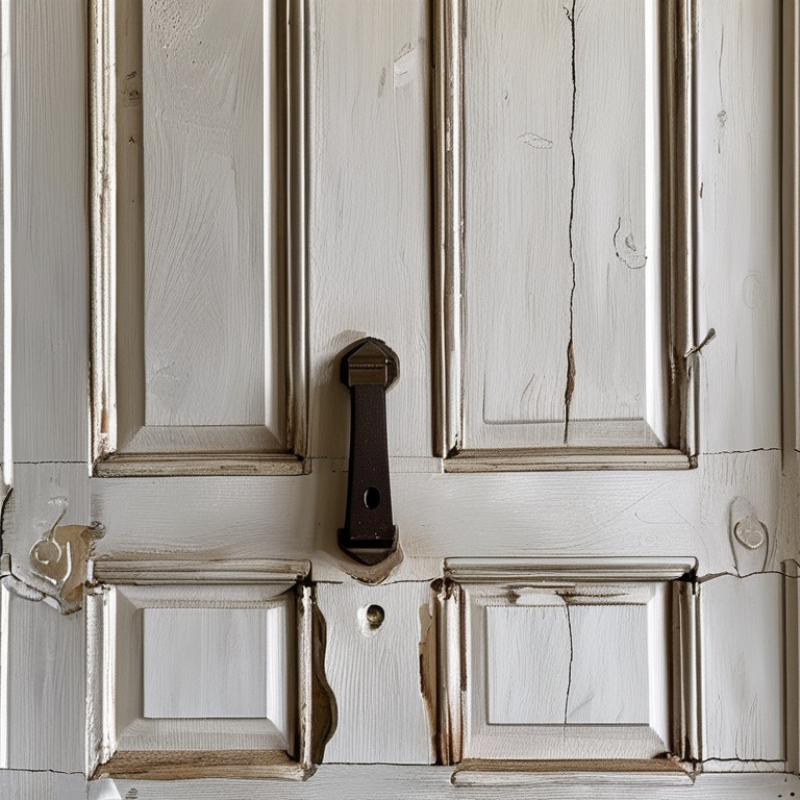
Visible signs of wear and tear on interior doors can impact your home’s aesthetics and functionality. Cracks and dents are common indicators that it might be time for a replacement. According to a report by the National Association of Home Builders, over 30% of homeowners notice this damage within ten years of installation. These imperfections can not only detract from the look of your home but also lower property value over time.
Another clear sign is peeling paint or worn finishes. This situation often suggests neglect in maintenance or age, making the door appear outdated. Research shows that fresh, well-maintained doors can increase a home’s appeal, which is crucial for those looking to sell. If scratches and chipping become prevalent, it often reflects daily wear. Some homeowners might overlook these issues, believing that painting can suffice, but this is often a temporary fix.
Finally, doors that do not close properly can also be a red flag. Misalignment or warping can create gaps, leading to security issues or reduced energy efficiency. Studies have indicated that homes lose up to 10% of their heating and cooling costs due to leaks around doors. Addressing these problems early can save on long-term utility expenses.
Old interior doors can significantly affect the comfort of your home, especially regarding noise and maintenance. Thin doors often allow sounds to seep through, disrupting your peace. If you hear your neighbors or family members clearly, it might be time for an upgrade. Newer doors can provide better sound insulation, improving the overall atmosphere of your space.
Maintenance is another crucial factor. Worn-out doors can become difficult to open or close, which is often ignored until it becomes a hassle. If you notice excessive squeaking or sticking, consider this a warning sign. Regular upkeep might delay the inevitable, but it won't solve structural issues. A professional's insight can reveal the best options for your needs.
When considering a replacement, think about the materials used in new doors. Solid wood or solid-core doors are excellent choices for reducing noise. Also, consider adding weather stripping to enhance door performance further. Invest in quality hardware to ensure longevity. These improvements can lead to a substantial increase in your home's comfort levels.
Old interior doors can significantly impact your home's energy efficiency. These doors often lack proper insulation, leading to drafts and heat loss. If you feel cold air seeping through your doors in winter, it may be time for an upgrade. Wooden doors, in particular, can warp over time, compromising their ability to seal effectively.
Older doors can also hinder climate control. A well-sealed door maintains your home’s temperature, reducing energy consumption. If you find yourself adjusting the thermostat frequently, consider the role of your doors. Sometimes, simply replacing an interior door can lead to better energy efficiency, ultimately saving you money on utility bills.
Moreover, the materials used in old doors might not meet current energy standards. Newer options often provide better insulation and durability. Reflect on your home’s comfort and energy usage. Are your doors truly serving their purpose? Upgrading can have a positive impact on both your comfort and the environment.
| Sign | Description | Energy Efficiency Impact | Recommended Action |
|---|---|---|---|
| Drafts | Feel cold air coming through your doors. | Increases heating/cooling costs. | Consider replacing with insulated doors. |
| Warping | Visible deformation or misalignment. | Compromises energy efficiency. | Replace with solid wood or fiberglass doors. |
| Noise | Excessive sound traveling between rooms. | Poor insulation leads to energy loss. | Install soundproof doors. |
| Aesthetics | Dull, outdated appearance. | May reduce overall home value. | Choose modern, energy-efficient designs. |
| Difficulty Opening/Closing | Doors stick or are hard to operate. | Indicates structural issues. | Replace for better functionality. |
| Peeling or Cracking | Visible surface damage. | Affects insulation properties. | Replace with durable materials. |
| Rotting | Signs of water damage. | Increases heat loss. | Replace with weather-resistant doors. |
| Poor Sealing | Gaps around the door frame. | Promotes energy loss. | Install new, well-sealed doors. |
| High Energy Bills | Noticeable increase in home energy costs. | Inefficient doors contribute to costs. | Evaluate and upgrade doors. |
| Increased Humidity | Excess moisture in the home. | Poor insulation can exacerbate humidity. | Replace with moisture-resistant doors. |
Interior doors play a crucial role in the overall aesthetic of your home. Old, outdated doors can detract from your decor and fail to meet modern design standards. Choosing contemporary styles can create a fresh look, enhancing your space. Consider sliding barn doors or minimalist designs that align with current trends. These options not only save space but also add character.
Colors and textures significantly influence the ambiance of your interiors. Rich wood finishes or sleek paint can transform a room. A weathered door may evoke nostalgia, yet it often clashes with modern furnishings. Consider the harmony between your doors and your walls. Subtle changes can have a lasting impact. The balance between form and function should not be overlooked. Sometimes, an overly ornate door feels out of place in a streamlined environment.
It's worth reflecting on the significance of door hardware as well. Outdated knobs and hinges can diminish your doors' appeal. Clean lines and functional designs are gaining popularity. Opting for a cohesive look with finishes that match other fixtures enhances your home. Replacement may seem daunting but can yield remarkable changes. An investment in new interior doors often results in a room that feels inviting and stylish. Embrace the shift towards modernity.
Interior doors play a crucial role in home safety. A damaged or insecure door can jeopardize the safety of your family. According to a report from the National Safety Council, nearly 20% of home accidents involve faulty doors. Loose hinges or broken locks can lead to unauthorized entries. Homeowners must ensure that doors are functioning correctly.
Wear and tear on doors is often overlooked. Cracks, splinters, or warped frames can significantly reduce their strength. The International Association of Certified Home Inspectors states that over 30% of homeowners do not inspect their doors regularly. This neglect can lead to severe safety issues. For instance, a malfunctioning door could hinder escape during an emergency.
It’s essential to recognize the signs of deterioration. If a door sticks or has difficulty latching, it may indicate structural problems. Furthermore, outdated materials might not provide adequate security. Inadequate door security measures can increase vulnerability, leading to higher insurance premiums. Homeowners should address these signs promptly, reinforcing safety and security.
: Old doors often allow sounds to seep through, disrupting your peace and comfort.
Excessive squeaking or sticking can signify that a door needs maintenance or replacement.
They may lack insulation, leading to drafts and increased energy costs due to heat loss.
Solid wood or solid-core doors are excellent choices for better noise reduction.
Yes, newer doors often improve insulation and can significantly reduce energy consumption.
Contemporary styles such as sliding barn doors and minimalist designs are trending now.
Outdated knobs and hinges can diminish a door's appeal; modern finishes enhance overall look.
Yes, replacements can improve noise reduction, energy efficiency, and overall comfort.
Weather stripping can enhance sealing and performance, reducing drafts and improving insulation.
Ignoring the balance between aesthetics and function may lead to dissatisfaction over time.
When to replace old interior doors is an important consideration for any homeowner. Visible signs of wear and tear, such as scratches, dents, or warping, can not only affect the aesthetics of your home but also indicate underlying issues with door functionality. Additionally, noise from creaky hinges or drafts can disrupt the comfort of your living space, signaling that it may be time for an upgrade.
Energy efficiency is another critical factor; older doors may lead to increased heating and cooling costs due to poor insulation. Modern design trends also emphasize stylish and functional interior doors, allowing homeowners to enhance their space. Lastly, safety concerns arise with damaged or insecure doors, making it essential to assess their condition regularly. Recognizing these signs can help you determine the right time for replacing your old interior doors.
