AJS Furniture
Creating a stylish and functional kitchen requires thoughtful planning, especially when considering appliance integration. How to integrate appliances into kitchen cabinetry can transform your space, making it both practical and visually appealing. The goal is to achieve a seamless look that blends appliances with cabinets, enhancing your kitchen's overall design.
Kitchen cabinetry should not only accommodate appliances but also highlight their features. Choosing the right materials is crucial for a cohesive appearance. For instance, a wooden finish can provide warmth while sleek metal accents can evoke a modern vibe. However, it's important to ensure accessibility and functionality are not compromised. This balance can sometimes be challenging.
Many homeowners struggle with integrating appliances without making the space feel cluttered. Mistakes can occur in measuring or selecting styles that clash. Reflecting on these challenges is necessary for success. Understanding how to integrate appliances into kitchen cabinetry takes time and patience, but the rewards are significant. A well-planned kitchen not only elevates your cooking experience but also adds value to your home.
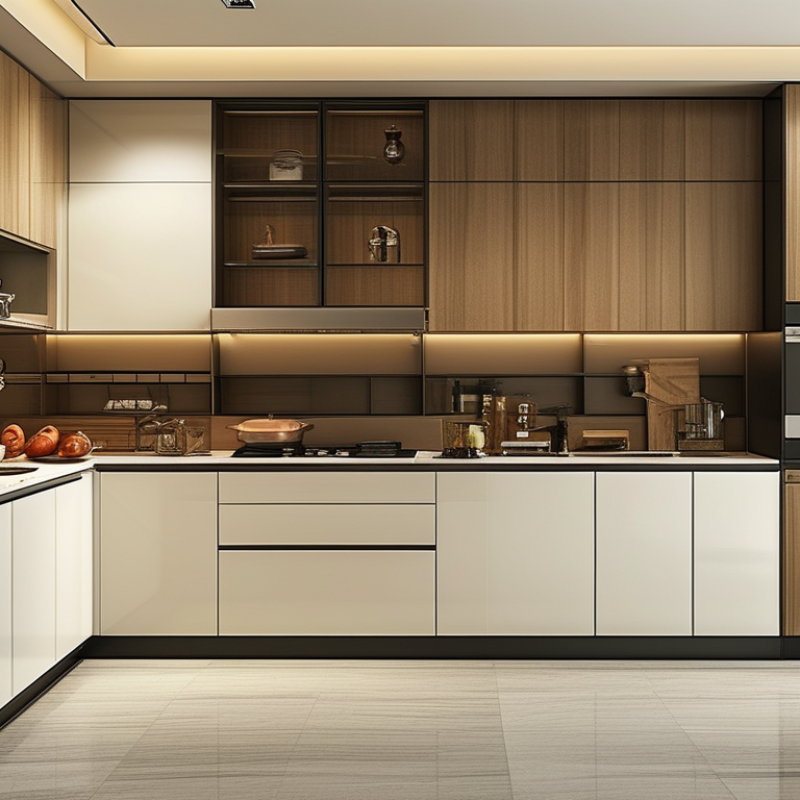
In modern kitchen design, appliance integration has become crucial. Many homeowners seek a streamlined look. They want appliances to blend seamlessly with cabinetry. This approach not only enhances aesthetics but also improves functionality. Integrated appliances can make dishwashing or cooking feel less intrusive.
Creating a cohesive kitchen environment requires careful planning. It’s vital to consider the layout and the size of the appliances. Standard sizes may not fit all kitchen styles. Sometimes, it’s necessary to customize cabinetry to achieve the perfect fit. A mismatch can lead to frustration. The goal is a polished appearance that doesn’t overwhelm the space.
Moreover, embracing this trend can pose challenges. You may encounter obstacles like expensive modifications or limited access to appliance controls. Reflecting on these aspects is essential. Each kitchen is unique, and the integration process demands attention to detail. Striving for perfection means being open to adjustments. These little imperfections can lead to innovative solutions. Every choice matters in creating a harmonious kitchen space.
Integrating appliances into kitchen cabinets can elevate the overall aesthetic and functionality of your kitchen. When choosing appliances for this seamless integration, consider measurements and design cohesion. A 2021 study by the National Kitchen and Bath Association found that kitchens with integrated appliances increase perceived value by 15%. Therefore, selecting the right size and style is crucial.
Look for appliances that complement your cabinet materials and colors. Stainless steel or matte finishes can blend well with various wood tones, creating a unified look. It's important to ensure that appliances fit perfectly within the cabinets. Gaps can lead to inefficiencies and a less polished appearance. Use dedicated measuring tools to double-check your measurements.
Tip: Opt for panel-ready appliances. These devices can be fitted with cabinet panels that match your cabinetry, maintaining a sleek look. Additionally, check energy efficiency ratings. Appliances that meet the Energy Star standards can save you money in the long run. While aesthetics matter, functionality should not be overlooked—choose appliances that cater to your cooking habits and lifestyle. Balancing beauty and practicality requires thoughtfulness and, sometimes, compromises.
| Appliance Type | Dimensions (W x H x D) | Energy Efficiency Class | Integration Style | Price Range |
|---|---|---|---|---|
| Built-in Refrigerator | 30 x 70 x 28 inches | A++ | Flush | $1500 - $2500 |
| Built-in Dishwasher | 24 x 34 x 24 inches | A+++ | Fully Integrated | $700 - $1500 |
| Built-in Oven | 24 x 30 x 23 inches | A+ | Wall Mount | $1000 - $2000 |
| Induction Cooktop | 30 x 3 x 21 inches | A+ | Flush | $800 - $1500 |
| Built-in Microwave | 24 x 15 x 20 inches | A | Flush | $300 - $800 |
In modern kitchens, integrating appliances within cabinets is essential for maintaining a clean aesthetic. Studies show that 74% of homeowners prefer a streamlined look, where appliances are concealed. Techniques like custom cabinetry and clever design can help achieve this. Utilizing pull-out drawers and sliding doors creates a functional yet unobtrusive look.
Another effective method involves selecting cabinetry that matches your appliance finishes. This can provide a cohesive feel throughout the kitchen. According to industry reports, nearly 67% of kitchen remodels prioritize appliance integration for better visual appeal. However, the balance between functionality and aesthetics often proves challenging.
Many homeowners face the dilemma of accessibility versus concealment. Too much emphasis on hiding appliances can lead to inconvenience. For instance, regularly used items might be locked away, creating frustration. Think about the daily habits in your kitchen. Ensuring easy access while maintaining a clean look requires thoughtful planning. It's worth considering how often you want to access these appliances and weighing that against your desire for a tidy space.
Integrating appliances into kitchen cabinets can enhance both aesthetics and functionality. According to a recent survey by the National Kitchen and Bath Association, 70% of homeowners prefer a seamless look in their kitchens. This trend reflects a desire for a streamlined space that is easy to clean and maintain. To achieve this, consider custom cabinetry that can enclose appliances. This allows for a cohesive design that hides appliances like dishwashers and microwaves behind cabinet doors.
When designing for seamless integration, pay attention to proportions. Appliances should align with cabinet heights and depths. Incomplete integration can create visual discord, leading to a cluttered appearance. Small details matter. For instance, using consistent hardware and finishes across cabinet doors and appliances can create harmony. Experts recommend using panel-ready appliances for an unobtrusive look. They blend in seamlessly with cabinetry, which appeals to modern homeowners.
Even with careful planning, flawless integration remains a challenge. Misjudgments in measurements could result in gaps or misalignments. These small imperfections can compromise the overall design. It's crucial to reflect on compromises when designing your kitchen. Sometimes, sacrificing functionality for aesthetics may not yield the best results. A well-thought-out approach will help balance beauty and utility in your space.
Integrating appliances into kitchen cabinets requires careful planning. Accessibility is key. It’s essential to design cabinets that allow easy access to all appliances. Drawers must glide smoothly. A pull-out shelf for the microwave can enhance usability. Each appliance should be reachable without disrupting the workflow.
Functionality plays a crucial role in integrated designs. While aesthetics matter, practicality cannot be overlooked. Consider the height of ovens or dishwashers. They should be at a comfortable level for daily use. A well-placed refrigerator is vital too. But don’t forget ventilation. Appliances need proper airflow to operate efficiently.
Reflect on the challenges. Integrated designs can lead to limited space for larger appliances. They may also require custom cabinetry, increasing costs. It’s important to weigh the pros and cons. Will the integrated look be worth the extra effort? Balancing style and function is no small feat.
: It enhances aesthetics and improves functionality, creating a seamless, polished look.
Measure appliance sizes carefully to ensure a perfect fit within the cabinetry.
Integrated appliances can increase perceived value by around 15%, according to studies.
Look for finishes that match your cabinets, like stainless steel or matte options.
Gaps can lead to inefficiencies and a less appealing kitchen appearance.
Both are important; choose appliances that meet your needs while looking good.
Panel-ready appliances fit well with cabinetry and maintain a sleek appearance.
Use dedicated measuring tools to double-check your appliance dimensions.
Yes, appliances meeting Energy Star standards can lead to long-term savings.
You may encounter high costs or limited access to controls, requiring careful planning.
Integrating appliances into kitchen cabinetry is essential for achieving a modern, streamlined look in today’s kitchens. Understanding how to integrate appliances into kitchen cabinetry begins with choosing the right appliances that complement the overall design. Techniques such as utilizing cabinetry panels and strategically placing appliances can help them blend seamlessly into the environment.
Design tips for seamless integration include using uniform finishes and aligning appliance doors with cabinetry, ensuring that the kitchen maintains a cohesive aesthetic. Additionally, it’s crucial to maintain accessibility and functionality, making sure that integrated designs still allow for easy use and retrieval of appliances. Overall, careful planning and attention to detail can transform a kitchen into a stylish and efficient space.