AJS Furniture AJS Furniture

How to Seamlessly Transition Wall Panels Between Rooms?

Time:2026-06-13 Author:Madeline
0%

Transitioning wall panels between rooms can be a challenging yet rewarding task. Expert designer Linda Grey emphasizes, "Choosing the right materials can make or break the fluidity of your space." In her experience, the seamless integration of different wall panels creates a harmonious flow, enhancing the aesthetic appeal of homes.

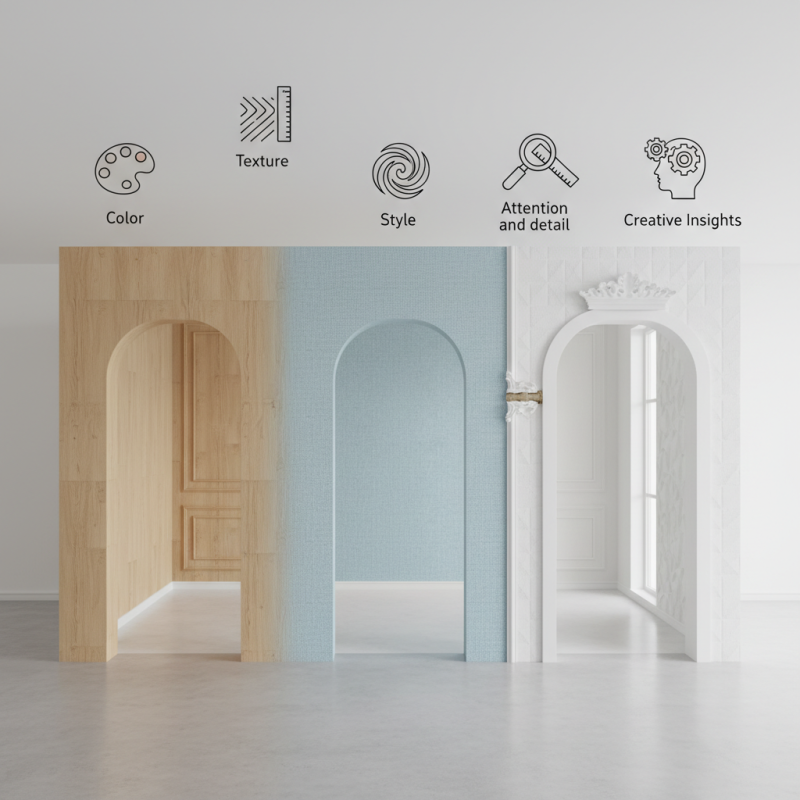
When considering how to transition wall panels between rooms, color, texture, and style are essential factors. A subtle color gradient can link spaces, while varying textures can add depth. However, achieving balance is crucial; overwhelming contrasts may disrupt harmony and cause visual chaos. Selecting the correct design elements requires reflection on your overall theme.

Attention to detail is vital. Ensure proper alignment and engage in careful planning to avoid missteps. Elements like moldings or trim can bridge gaps effectively. Yet, even seasoned professionals face challenges. Each transition has unique characteristics, and creative insights often arise from overcoming obstacles. The journey of figuring out how to transition wall panels between rooms is one that develops your eye for design and spatial awareness.
How to Seamlessly Transition Wall Panels Between Rooms?

Choosing the Right Wall Panels for Seamless Transitions

When it comes to choosing wall panels for seamless transitions between rooms, understanding the material and texture is essential. Research by the National Association of Home Builders indicates that 65% of homeowners prefer materials that create consistent aesthetics throughout their living spaces. This trend emphasizes the need for careful selection to ensure harmony in design.

Tips: Consider using the same wood species or paint color across rooms for cohesion. This easy trick can simplify your design process significantly.

Opt for panels that complement both room styles. A smooth finish works well in modern spaces, while textured panels suit rustic themes. This attention to detail enhances the overall feel of a home.

Effective transitions can also be achieved by focusing on size. Using larger panels in expansive rooms can create a sense of flow. Meanwhile, smaller panels may make a space feel cozy. Pay attention to how each choice impacts the unity of your design. It may also be beneficial to consult with design professionals for more tailored advice.

Planning the Layout for Smooth Transitions Between Rooms

When planning the layout for transitioning wall panels between rooms, consider the flow of space. Research suggests that well-designed transitions can enhance the perception of larger areas by 15%. This visual expansion encourages an inviting atmosphere. Use materials with complementary colors to create a cohesive look. A sudden change in texture or color can disrupt the flow, making spaces feel smaller.

Another important factor is lighting. Natural light can significantly impact how wall panels are perceived. According to industry reports, 70% of homeowners prefer rooms that connect through similar lighting schemes. Make sure to maintain consistency in light fixtures or window treatments between rooms. Doing so can help unify diverse panel styles, reinforcing the overall design.

However, it's essential to consider how different panels will perform in varying spaces. Not all materials are suitable for every room. Moisture levels in kitchens and bathrooms differ greatly from living areas. If wall panels in these areas don’t align well, the result can be unsightly wear and tear. Thus, careful planning and assessment of conditions is vital for long-lasting results.

Techniques for Matching Colors and Patterns of Wall Panels

When transforming spaces, matching wall panel colors and patterns is key. Consider your existing décor. Nature-inspired hues can create harmony. For instance, pairing warm beiges with soft greens fosters a calming atmosphere. On the other hand, contrasting bold colors can energize a room. It’s essential to test samples on your walls. Lighting can change colors drastically, so observe at different times of day.


Pattern consistency is equally important. Choose one dominant pattern that flows across rooms. For example, a geometric design can lead the eye seamlessly from one area to another. Mix smaller patterns with greater care. They should complement without overwhelming. Fitness and balance are vital here. Mixing dissimilar styles may create discord. Reflect on how each panel interacts with furniture and accessories. Small adjustments can lead to stunning outcomes.


Be prepared for some trial and error. Styles may not always match perfectly. Sometimes, a slight variation can add depth. Embrace imperfections; they tell a story. A transitional space should feel cohesive yet dynamic. Don't shy away from experimenting. The journey from one room to another is about expression and connection.

Installation Tips for Achieving a Flawless Transition

Achieving a flawless transition of wall panels between rooms requires careful planning and execution. The National Association of Home Builders reports that 75% of homeowners prioritize aesthetic continuity when renovating spaces. This emphasizes the importance of seamless installations. Begin by selecting the right panel materials. Consider textures and colors that complement adjacent rooms. A mismatch could disrupt the flow and create visual dissonance.

Installation tips are vital for a smooth transition. Ensure that panels align perfectly at the seams. Use a level to check for straightness. A slight deviation can be noticeable. According to Remodeling Magazine, proper joint treatment can improve durability and aesthetics. Don't overlook the significance of good lighting. It can highlight imperfections in transitions, making them more noticeable.

Sometimes, even the best-laid plans can falter. Factors like humidity and temperature can cause materials to expand or shrink. Be prepared for potential adjustments after installation. Keeping a close eye on the environment can help you mitigate these issues. This attention to detail ensures that wall panel transitions remain appealing over time.

Finishing Touches to Enhance Visual Continuity Between Rooms

Creating visual continuity between rooms while transitioning wall panels is essential for an aesthetically pleasing home. Studies show that 70% of homeowners prioritize cohesive design in their interiors. A smooth transition can be achieved by selecting similar colors and textures for adjacent wall panels. The consistent use of material enhances the feeling of spaciousness.

Incorporating molding or trim can also unify different spaces. Experts recommend using 1-3 inches of trim for a seamless look. However, many overlook the importance of lighting during transitions. Dim lighting can create abrupt contrasts that disrupt visual flow. Bright, even lighting allows wall panel finishes to appear more cohesive.

Experimenting with placement is crucial. For example, aligning wall panels at corners requires precise measurements. Sometimes, a small misalignment reveals gaps. These imperfections can disrupt flow and lead to a disjointed appearance. A thoughtful approach is needed for a truly seamless transition.

FAQS

: What should I consider when choosing wall panels for transitions?

: Focus on material and texture. Consistent aesthetics enhance design harmony.

How can I create cohesion between rooms?

Use the same wood species or paint color. This simplifies the design process.

What type of panels suit different room styles?

Smooth panels work for modern spaces. Textured ones are better for rustic themes.

How does panel size affect room perception?

Larger panels in big rooms create flow. Smaller panels make spaces feel cozy.

What role does lighting play in wall panel design?

Consistent lighting improves perception. Natural light changes how panels are viewed.

Why is moisture consideration important for wall panels?

Different rooms have varying moisture levels. Improper choices can cause damage over time.

How can trim enhance visual continuity?

Using 1-3 inches of trim unifies spaces. It’s often overlooked yet essential for cohesion.

What happens if there are misalignments in panel placement?

Small misalignments can create noticeable gaps. This disrupts the overall flow of design.

How can I achieve a seamless transition visually?

Use similar colors and textures for adjacent panels. Bright lighting helps maintain cohesiveness.

Should I consult professionals for panel transitions?

Yes, consulting with design experts can provide tailored advice for better results.

Conclusion

When considering how to transition wall panels between rooms, it's essential to start with the right selection of panels to ensure a seamless flow. Begin by planning the layout carefully, keeping in mind the overall design and how various elements interact in adjacent spaces. Matching colors and patterns is crucial for visual continuity, so employing techniques to harmonize these aspects can significantly enhance the overall aesthetic.

Installation tips play a vital role in achieving a flawless transition. Proper alignment and careful cutting of panels can prevent visible seams or breaks in design. Finally, the finishing touches, such as molding or trim, can further enhance the visual connection between rooms, creating a cohesive and inviting atmosphere throughout the space. By following these guidelines, you can successfully transition wall panels between rooms while maintaining a polished and unified look.

Madeline

Madeline

Madeline is a dedicated marketing professional with a wealth of expertise in our company's core offerings. With a keen understanding of the industry, she brings a unique perspective to her role, consistently delivering high-quality content that highlights the superior aspects of our products. As......