AJS Furniture AJS Furniture

How to prevent mold in bathroom cabinets effectively in 2026

Time:2026-06-07 Author:Isabella
0%

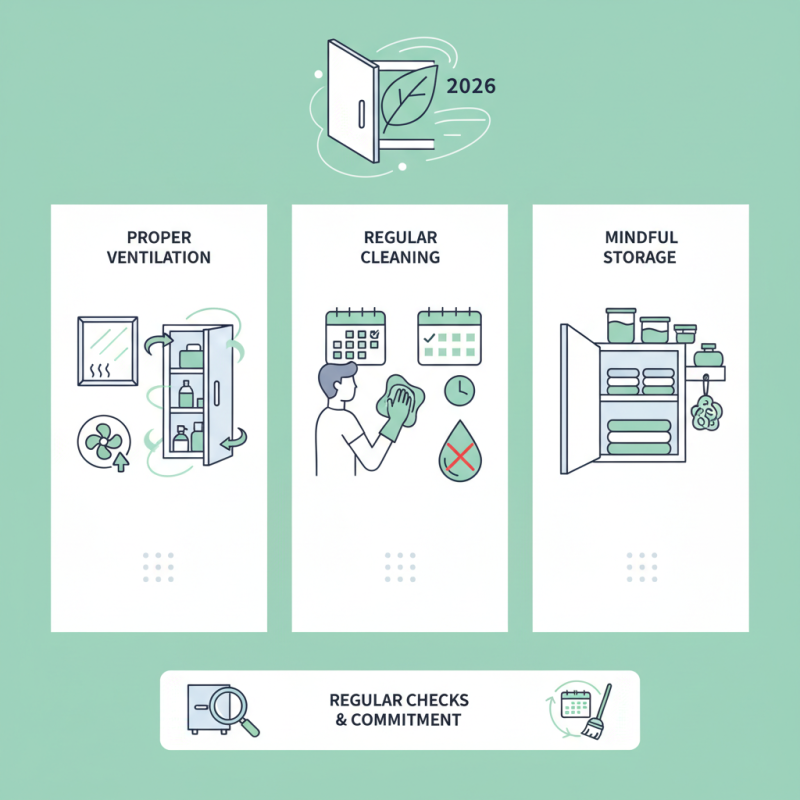
Mold can thrive in damp environments, making bathroom cabinets a prime target. Homeowners often neglect these spaces. Understanding how to prevent mold in bathroom cabinets is essential for maintaining a healthy home. Proper ventilation, regular cleaning, and mindful storage can make a significant difference.

In 2026, mold prevention strategies will be more vital than ever. Advances in materials and cleaning products will emerge. However, relying solely on them may lead to complacency. Many still overlook the importance of a proactive approach. Improved design can help, yet awareness remains crucial.

By incorporating these practices, we can reduce the likelihood of mold infestations. However, it's not a one-time solution. Regular checks and a commitment to cleanliness are necessary. Adopting a consistent routine may seem tedious but is key to long-term success.
How to prevent mold in bathroom cabinets effectively in 2026

Understanding the Causes of Mold Growth in Bathroom Cabinets

Mold growth in bathroom cabinets often stems from high humidity and poor ventilation. These environments create an ideal breeding ground for mold spores. Bathrooms are inherently humid spaces, especially after showers. If cabinets are tightly sealed without adequate air circulation, moisture can accumulate, leading to mold issues.

Another significant factor is the material of the cabinets. Wood and particleboard are particularly susceptible to mold when exposed to moisture. Even small water spills can result in mold if not cleaned up promptly. Regularly checking for leaks and ensuring that any moisture is wiped away can help mitigate this risk. Often, people overlook the importance of storing items in a dry manner. Wet towels or toiletries can contribute to mold growth, so it’s essential to keep them out of cabinets.

Considering these factors, the reality of mold prevention involves vigilance and care. It's about being aware of the little things. Sometimes, homeowners may forget that even air fresheners can add humidity. Assessing your bathroom environment regularly can help identify potential mold risks before they become a problem. In many cases, proactive measures can save you from costly mold remediation in the future.

Choosing the Right Materials for Mold-Resistant Cabinets

When it comes to preventing mold in bathroom cabinets, choosing the right materials is crucial. Look for materials that are water-resistant or specially treated for moisture resistance. Consider options like plywood with a waterproof veneer or medium-density fiberboard (MDF) that can resist humidity. These choices help reduce mold growth significantly.

Another key factor is the finish on your cabinets. Use paints or sealants that are designed to withstand moisture. This small detail can make a big difference. Yet, even the best materials can fail without proper ventilation. Ensure your bathroom is well-ventilated to keep moisture levels low.

Be mindful of the installation process. Poor seals or gaps can allow moisture to accumulate. Consider regular inspections and maintenance. Remember, even the most resilient materials require care. Check for signs of mold regularly. Address any water issues swiftly to keep your cabinets safe and sound.

Implementing Proper Ventilation Systems in Bathrooms

Proper ventilation in bathrooms is crucial to prevent mold growth in cabinets. Mold thrives in moist environments, making bathrooms a prime location for infestation. Installing vent fans can significantly reduce humidity levels. These fans should be used during and after showers. They help remove excess moisture from the air.

Moreover, consider opening windows when possible. This natural ventilation can enhance airflow. However, during colder months, this may not be practical. In such cases, using dehumidifiers can help maintain a dry atmosphere. Regularly checking for leaks around pipes and faucets can also prevent moisture accumulation.

It’s important to be diligent with maintenance. Even with ventilation, mold can appear if not checked regularly. Clean the cabinets frequently with suitable solutions. Look for spots that might harbor mold. The goal is to create a space that is not just beautiful but also healthy. While perfect prevention may not be achievable, taking these practical steps can drastically reduce the chances of mold appearing.

How to Prevent Mold in Bathroom Cabinets Effectively in 2026

Regular Cleaning and Maintenance Tips to Prevent Mold

Bathroom cabinets are prone to mold due to humidity and limited airflow. Regular cleaning is an essential step in preventing mold growth in these spaces. According to a report from the American Society of Home Inspectors, mold thrives in damp environments. Keeping surfaces dry will reduce this risk significantly.

To start, wipe down the cabinets weekly with a mixture of vinegar and water. This natural solution is effective against mold spores. Ensure you pay attention to corners and cracks where moisture can accumulate. Another tip is to leave the cabinet doors open for a while after showering. This allows airflow, reducing moisture buildup.

Furthermore, inspect your cabinets regularly for signs of mold. Look for discoloration or a musty smell. If you notice any dark spots, address them immediately. Dry the area thoroughly and consider using a dehumidifier. Maintaining a humidity level below 60% in your bathroom is ideal for preventing mold infestations. Keep these points in mind for a healthier bathroom environment.

How to Prevent Mold in Bathroom Cabinets Effectively in 2026

Tip Frequency Materials Needed Expected Outcome
Regular Cleaning Weekly Mild detergent, cloth Reduces dirt and moisture
Dehumidification Monthly Dehumidifier, hygrometer Maintains low humidity
Proper Ventilation Regular check Exhaust fan Improves airflow
Seal Cracks As needed Sealant Prevents leaks
Use Mold-Resistant Products During renovations Mold-resistant paint, cabinets Minimizes mold growth

Using Natural and Chemical Mold Inhibitors Effectively

Mold in bathroom cabinets can be a persistent problem. Moisture creates a perfect environment for mold growth. Using natural inhibitors is a proactive approach to tackle this issue. Essential oils like tea tree oil and lavender oil are potent mold fighters. Mix a few drops with water in a spray bottle. Spray it on your cabinets regularly to deter mold.

Chemical mold inhibitors are also effective. Look for products containing sodium bicarbonate and citric acid. These substances break down mold spores efficiently. Apply them according to the instructions for best results. Always wear gloves and a mask while using chemical agents.

Monitoring humidity levels in your bathroom is crucial. Invest in a hygrometer to measure moisture. Keeping humidity below 50% will inhibit mold growth. Regular ventilation is key. Open windows and use exhaust fans after showers. Inspect cabinets for leaks or spills often. Addressing these issues promptly can minimize mold risk.

FAQS

: What materials should I choose for mold-resistant cabinets?

: Look for water-resistant materials. Plywood with a waterproof veneer works well.

Why is the finish on cabinets important?

A moisture-resistant finish helps prevent mold. Use specialized paints or sealants.

How can ventilation impact mold growth?

Proper ventilation reduces moisture. Install exhaust fans and open windows regularly.

What should I look for during installation?

Ensure there are no poor seals or gaps. These can trap moisture.

How can I use natural mold inhibitors?

Mix essential oils with water in a spray bottle. Spray cabinets regularly.

What chemical mold inhibitors are effective?

Products with sodium bicarbonate or citric acid work well. Follow instructions carefully.

Why is monitoring humidity levels important?

Keeping humidity below 50% inhibits mold growth. Use a hygrometer for measurements.

How often should I inspect cabinets?

Regular inspections can identify mold issues early. Look for leaks or moisture.

What are some signs of mold in cabinets?

Discoloration and a musty smell indicate mold presence. Act quickly to address it.

What should I do if I find mold?

Address water issues immediately. Use mold removal methods and ensure proper ventilation.

Conclusion

To effectively address the question of "How to prevent mold in bathroom cabinets," it is essential to understand the underlying causes of mold growth, such as humidity and lack of ventilation. Choosing the right materials for cabinets that have mold-resistant properties can significantly reduce the likelihood of growth. Implementing proper ventilation systems, like exhaust fans or windows, ensures that moisture levels are kept in check, providing a drier environment for the cabinets.

Regular cleaning and maintenance practices, including the use of both natural and chemical mold inhibitors, play a crucial role in mold prevention. Keeping surfaces clean and dry, inspecting for any signs of mold, and promptly addressing water leaks can further enhance the effectiveness of these strategies. By combining these approaches, homeowners can successfully mitigate the risks and maintain mold-free bathroom cabinets.

Isabella

Isabella

Isabella is a dedicated marketing professional with a sharp focus on driving brand growth and engagement through strategic content creation. With an extensive background in digital marketing, she combines her passion for storytelling with her keen understanding of industry trends to deliver......