When it comes to choosing the right wardrobe for your home, many factors come into play. One major consideration is the material. This brings us to an important question: What is the difference between MDF and plywood wardrobes? Both options have unique characteristics that can influence your decision.
MDF, or medium-density fiberboard, is known for its smooth surface. This makes it easier to paint and finish. On the other hand, plywood is made from thin layers of wood, which provides strength and durability. While MDF is often less expensive, plywood can offer more longevity in certain environments.
It’s essential to analyze your needs. Does your wardrobe need to withstand heavy usage? Or is aesthetic appeal your priority? Reflecting on these questions can guide you in your selection. Choosing between MDF and plywood may not be straightforward. There are pros and cons to each material, and understanding these can help you make an informed choice.
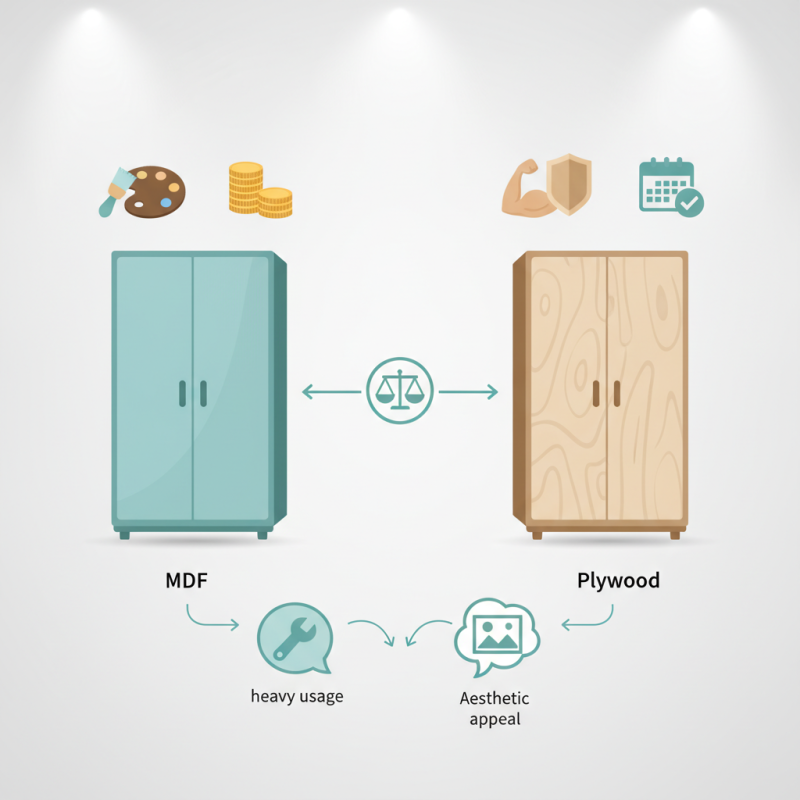
MDF vs Plywood: Understanding the Basics of Each Material
MDF (Medium Density Fiberboard) and plywood are two popular materials used in wardrobe construction. Each has unique properties, making them suitable for different needs. MDF is engineered from wood fibers, offering a smooth surface ideal for painting. In contrast, plywood is made from thin layers of wood veneer, providing strength and durability.
According to the Wood Products Council, MDF is denser and heavier than plywood, which can enhance its stability. However, it is also more susceptible to moisture damage. A study by the American Forest & Paper Association shows that plywood is often more resistant to warping. Plywood’s layered construction effectively distributes weight, making it a better choice for heavy items.
While MDF offers a cost-effective solution for budget-conscious consumers, its durability can be a concern. Plywood’s higher price reflects its longevity and versatility. Choosing between these materials requires a clear understanding of your storage needs and environmental conditions. Consider the balance between aesthetics and functionality before making a decision.
MDF vs Plywood Wardrobes Which One Is Better for You?
| Criteria |
MDF |
Plywood |
| Cost |
Generally less expensive |
Usually more expensive |
| Weight |
Heavier than plywood |
Lighter and easier to handle |
| Durability |
Less durable, prone to water damage |
More durable and water-resistant |
| Finish |
Smooth surface, easy to paint |
Natural wood finish, can show grain |
| Sustainability |
Made from recycled wood fibers |
Sourced from natural wood, renewable |
| Maintenance |
Requires careful handling to avoid damage |
Easier to maintain, more resistant to damage |
Key Differences Between MDF and Plywood in Wardrobe Construction
When choosing between MDF and plywood for wardrobe construction, several key differences emerge. MDF, or medium-density fiberboard, offers a smooth surface that is ideal for painting. Its consistency and lack of knots make it an excellent choice for modern designs. However, MDF's susceptibility to moisture can be problematic in humid environments. This characteristic might affect the long-term durability of the wardrobe.
On the other hand, plywood is layered, with real wood veneers offering a naturally appealing finish. Its strength and resistance to warping make plywood a better option for heavy items. However, the variations in quality can lead to inconsistency. Some plywood may contain voids or gaps, impacting its overall sturdiness. While plywood is often more expensive, it can also provide better longevity if cared for properly.
Ultimately, the choice between MDF and plywood hinges on individual needs and preferences. Consider your wardrobe's intended use and the environment it will be in. Making a well-informed decision reflects both personal style and practical considerations.
MDF vs Plywood Wardrobes
Advantages of Choosing MDF for Your Wardrobe Design
MDF, or Medium Density Fiberboard, is a popular choice for wardrobe design. Its smooth surface makes it ideal for painting and veneering.
MDF provides versatility in design. With consistent density, it is less likely to warp than plywood. Industry reports suggest that MDF can be up to 60% denser than plywood. This density contributes to a solid feel and allows for intricate detailing.
One notable advantage of MDF is its affordability. Compared to plywood, MDF can be more budget-friendly without compromising aesthetics. According to a report from the Wood Products Council, MDF often costs 20-30% less than quality plywood. This affordability makes it an attractive option for budget-conscious consumers. Additionally, MDF's uniform composition ensures a smoother finish, which is crucial for modern wardrobe designs.
However, there are some considerations with MDF. It has a lower tolerance to moisture compared to plywood. In humid environments, MDF can swell, affecting its integrity.
Proper sealing and finishing are essential to mitigate these risks. While MDF offers advantages, such as cost and design flexibility, potential drawbacks need careful assessment. Balancing these factors is key in wardrobe selection.
Benefits of Plywood in Wardrobe Manufacturing and Usage
When considering wardrobe materials, plywood offers distinct advantages. Plywood is made from layers of wood veneer, which enhances durability and strength. This layered structure makes it less prone to warping compared to MDF. Plywood can withstand moisture better, making it ideal for areas with fluctuating humidity. Its natural finish presents a classic appeal, fitting well in various interior styles.
Tips: Choose plywood if you value long-lasting furniture. It is versatile, allowing for creative designs in your wardrobe. Remember, plywood can be heavier. Ensure your wardrobe design accommodates its weight.
In terms of sustainability, plywood holds an edge. It is often sourced from renewable materials. This makes it an eco-friendlier option than MDF, which may contain formaldehyde in adhesives. Plywood's robust nature also means fewer replacements over time, reducing waste. This is crucial in the era of responsible consumption.
Tips: When selecting plywood, check for certifications. Look for eco-friendly standards to support sustainable forestry. Proper care can extend its lifespan significantly. Light sanding and occasional oiling preserve its beauty.
Making the Right Choice: Factors to Consider for Your Wardrobe Needs
Choosing between MDF and plywood for your wardrobe involves several important factors. Both materials have unique characteristics that affect their durability, aesthetic, and functionality.
MDF is generally smoother and provides a sleek finish, making it ideal for modern designs. It's less expensive and easier to work with, which can be beneficial if you're seeking budget-friendly options.
However, you should be aware that MDF is more susceptible to moisture damage compared to plywood.
On the other hand, plywood offers superior strength and durability. It consists of multiple layers of wood veneer, which enhances its resistance to warping. This makes plywood a more reliable choice for long-term use, especially in humid environments.
However, it can be more expensive and may lack the smooth finish that MDF provides. If a natural wood grain is important to you, consider plywood’s aesthetic appeal.
Reflecting on your needs is crucial. Ask yourself how much you use your wardrobe. Will it face high moisture levels? Do you prefer a certain look in your room? Your answers will guide your choice between these two materials.
Remember, both options have their strengths and weaknesses; understanding them allows you to make a more informed decision.
FAQS
: MDF, or medium-density fiberboard, provides a smooth surface ideal for painting.
Plywood is stronger and more resistant to warping, making it a better choice for heavy items.
No, MDF is more susceptible to moisture damage, which can affect its durability in humid areas.
Plywood can have variations in quality, leading to inconsistencies like voids or gaps.
MDF is usually less expensive and easier to work with than plywood.
Consider your wardrobe's use, environmental conditions, and aesthetic preferences for guidance.
Yes, plywood features real wood veneers that offer a naturally appealing finish.
MDF can warp or weaken in humid conditions, impacting its longevity.
Yes, if cared for properly, plywood can offer better longevity despite being more expensive.
Think about your wardrobe's usage frequency and aesthetic preferences in your space.
Conclusion
In the debate of "MDF vs Plywood Wardrobes," understanding the basics of each material is crucial for making an informed decision. MDF (Medium-Density Fiberboard) offers a smooth surface ideal for painting and intricate designs, while plywood, composed of layered wood veneers, is known for its strength and durability. So, what is the difference between MDF and plywood wardrobes? The key distinctions lie in their construction, performance, and suitability for different design needs.
MDF is generally less expensive and easier to work with than plywood, making it a popular choice for custom designs. On the other hand, plywood boasts superior strength and is less susceptible to warping, making it ideal for heavy-duty usage. When selecting the right material for your wardrobe design, consider factors such as budget, desired aesthetics, and how you plan to use the wardrobe, ensuring that your choice aligns with your specific needs and preferences.
 AJS Furniture
