When considering wardrobe materials, a common question arises: "What is the difference between MDF and plywood wardrobes?" Both MDF and plywood have unique qualities suited for various design preferences. MDF, or medium-density fiberboard, is a smooth, engineered wood product. It is often chosen for its affordability and uniform surface, ideal for painting and intricate designs.
On the other hand, plywood boasts excellent strength and durability. Made from thin layers of wood veneer, it can withstand heavier loads. This makes it suitable for larger wardrobes that need to support more weight. Both materials have their pros and cons. While MDF is easier to shape, it can be less resistant to moisture. Plywood, while sturdier, may have a more natural look that some might find appealing.
Understanding these differences can guide your decision-making. Choosing the right material depends on your needs, style, and budget. It's essential to weigh these factors carefully for a wardrobe that truly fits your lifestyle.
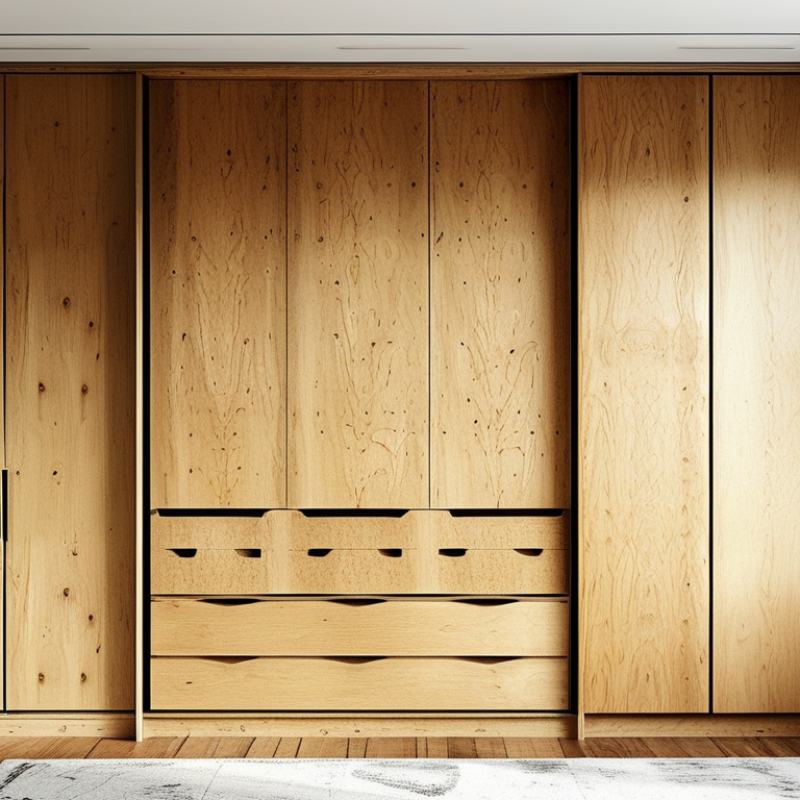
MDF and Plywood: Understanding the Basics of Each Material
When comparing MDF and plywood, it’s essential to understand the unique characteristics of each material. MDF, or medium-density fiberboard, is made from wood fibers glued under heat and pressure. This process creates a dense, smooth surface that is ideal for detailed designs. It's often favored for painted finishes, as it provides a flawless backdrop. However, MDF absorbs moisture easily. That can lead to swelling and warping over time.
Plywood, on the other hand, consists of thin layers of wood veneer glued together. This construction gives it strength and durability. Plywood is less prone to damage from humidity and offers more resistance to wear and tear. It can be more challenging to achieve a smooth finish due to its grain. In certain cases, small imperfections may appear, demanding additional sanding and preparation.
In practice, the choice between MDF and plywood often hinges on specific needs. If you prioritize a smooth finish for painting, MDF might be your pick. If durability and resistance are key, plywood is the better option. Both materials have strengths and weaknesses. Recognizing these differences can guide you toward the best wardrobe solution for your space.
Pros and Cons of Using MDF for Wardrobes
MDF, or Medium Density Fiberboard, is a popular choice for wardrobes. It offers a sleek appearance and a smooth finish that many homeowners love. The material is made from wood fibers, which creates a dense and sturdy board. This density allows for precision cuts and intricate designs. MDF is especially appealing for modern furniture styles.
However, there are some drawbacks to consider. MDF is susceptible to moisture damage. If your wardrobe is in a humid area, this could be a problem. Unlike plywood, MDF doesn't hold up well against water. It can swell and lose its shape over time. Additionally, MDF can emit VOCs (Volatile Organic Compounds). These chemicals can affect indoor air quality, which is a concern for health-conscious consumers.
MDF is more affordable than solid wood or plywood. It provides a cost-effective option for those on a budget. Yet, it may not have the same longevity as these materials. Scratches and dents are also more noticeable on MDF surfaces. Choosing MDF requires balancing aesthetics and practicality.
Advantages and Disadvantages of Plywood Wardrobes
Plywood wardrobes offer unique advantages that can enhance any living space. They are known for their durability and strength. Made from layers of wood veneer, plywood provides excellent resistance to warping. This makes it a popular choice for humid environments. The aesthetic appeal of plywood can add warmth to a room. Its natural grain patterns provide a distinct look that can complement various designs.
However, there are disadvantages to consider. Plywood can be more expensive compared to MDF, depending on the quality. It may require special finishes to protect against moisture. Over time, plywood can show signs of wear, especially if not properly maintained. Some people may find the installation a bit tricky due to its weight.
Cost and maintenance are essential factors. Potential buyers should evaluate their budget and long-term plans. While plywood has its merits, is it the right choice for everyone? Not necessarily. Understanding your needs and preferences is crucial when selecting materials for wardrobes.
Comparing Durability and Longevity of MDF vs Plywood
When comparing the durability and longevity of MDF and plywood wardrobes, it's essential to consider their distinct characteristics.
MDF, or medium-density fiberboard, is known for its smooth finish and versatility. However, it can be more susceptible to moisture damage than plywood. In humid environments, MDF may swell or warp over time. This limitation can affect its overall lifespan, especially in areas like kitchens or bathrooms.
On the other hand, plywood is crafted from thin layers of wood veneer. This construction makes it stronger and more resilient. Plywood generally withstands moisture better, making it a preferable choice for wardrobes in varying climates. However, its surface may require more finishing to achieve a polished look. Choosing between these materials can highlight personal preferences and needs. It's important to weigh the factors of moisture resistance and aesthetic appeal when making a decision. Each material offers unique advantages and potential drawbacks that should align with your specific requirements.
Cost Analysis: MDF vs Plywood Wardrobes for Budget Considerations
When choosing between MDF and plywood wardrobes, cost is a key factor. MDF typically costs less than plywood, making it attractive for budget-conscious consumers. Industry reports indicate that MDF can be 20-30% cheaper than plywood. However, this initial savings may come with trade-offs in durability and longevity.
Plywood, though more expensive, often justifies the cost with its strength and resistance to warping. A plywood wardrobe can last significantly longer than an MDF alternative, which may need replacement sooner. Reports from the Wood Products Council also highlight that plywood can withstand humidity better, making it ideal for various climates.
Tips: Consider your local environment before purchasing. If humidity is a concern, plywood might be the better choice. Reflect on how long you plan to keep the wardrobe. If it’s a long-term investment, plywood could save money over time. Balancing initial costs with long-term value is essential in making the right decision.
MDF vs Plywood Wardrobes Cost Analysis
FAQS
: MDF is made from wood fibers glued together under heat and pressure.
MDF has a dense, smooth surface that creates a flawless backdrop for painting.
MDF absorbs moisture easily, leading to swelling or warping over time.
Plywood consists of thin layers of wood veneer glued together.
Plywood is stronger and more resistant to humidity than MDF, enhancing its durability.
Plywood may require more sanding to achieve a smooth, polished finish due to its grain.
MDF is less suitable for humid environments like kitchens or bathrooms, as it may damage.
Consider personal needs, moisture resistance, and aesthetic appeal when choosing.
Yes, plywood can show small imperfections that may need extra preparation before finishing.
Yes, both materials have strengths and weaknesses that may require thoughtful consideration.
Conclusion
In the comparison of MDF and plywood wardrobes, it's crucial to understand the fundamentals of each material. MDF, or Medium Density Fiberboard, is known for its smooth surface and ease of painting, making it ideal for modern designs. However, it is susceptible to moisture damage and may not be as durable as plywood. Plywood, made from thin layers of wood veneer, offers superior strength and resistance to warping, but it can be more expensive and may not provide the same smooth finish as MDF.
When considering "What is the difference between MDF and plywood wardrobes," key factors include durability, longevity, and cost. While MDF wardrobes can be more budget-friendly upfront, their longevity may be compromised in humid environments. Conversely, plywood, while often pricier, can withstand wear and tear over time. Ultimately, the choice between these materials depends on individual preferences regarding aesthetics, environmental conditions, and budget considerations.
 AJS Furniture
