AJS Furniture AJS Furniture

China Top Bathroom Cabinets How to Prevent Mold?

Time:2026-10-15 Author:Amelia
0%

China’s top bathroom cabinets are designed for humid homes, but good materials alone cannot stop mold. The real challenge is controlling moisture around sinks, walls, hinges, and cabinet edges. This is where the question “How to prevent mold in bathroom cabinets” becomes practical, not merely decorative.

Michael Rubino, a mold remediation expert and founder of HomeCleanse, has stated, “Mold is a symptom of a moisture problem.” His observation is simple but important. A swollen MDF edge, a loose drain connection, or water trapped beneath a bottle can create hidden dampness. Even a premium cabinet can fail when moisture remains unnoticed for several days.

Keep bathroom humidity near 30–50% when possible. Run the exhaust fan during showers and for at least twenty minutes afterward. Wipe splashes from the countertop and cabinet floor immediately. Inspect plumbing connections every month. Look closely.

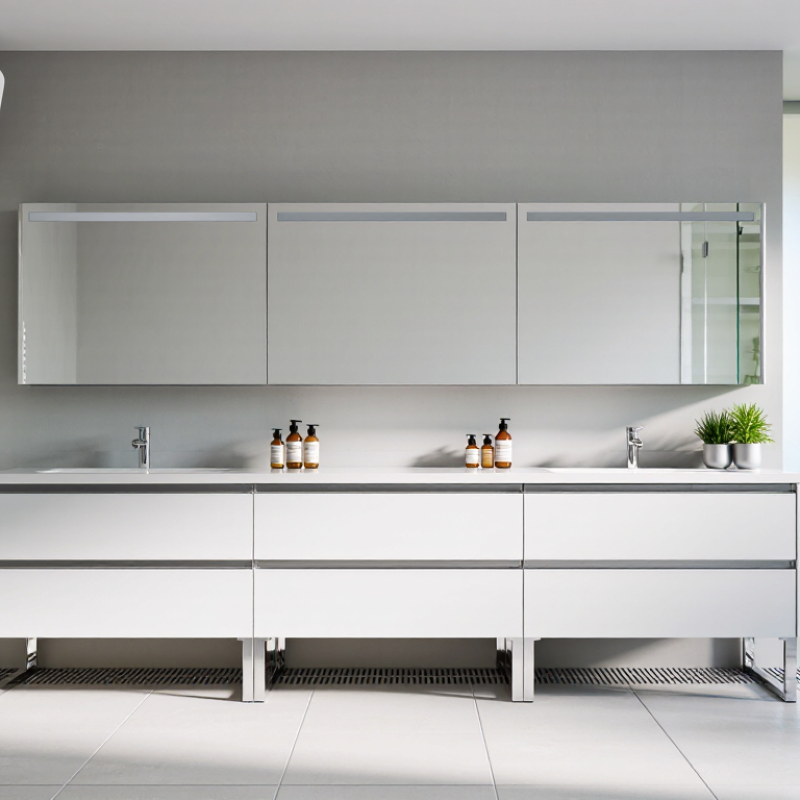
Choose cabinets with sealed edges, moisture-resistant plywood, PVC, or aluminum components. Raised legs can reduce contact with wet flooring. Leave airflow around the cabinet, especially in small bathrooms with limited ventilation. However, these measures are not perfect. A sealed surface may still develop mold around a damaged corner or neglected leak.

For reliable prevention, combine material selection, daily drying, and regular inspection. Open the doors occasionally so trapped air can escape. Notice the faint musty smell early. It may indicate a problem behind the panel, not just inside the cabinet. Small routines often protect a cabinet longer than expensive finishes.

China Top Bathroom Cabinets How to Prevent Mold?

Bathroom Cabinet Mold Basics: Why Relative Humidity Above 60% Promotes Growth

China Top Bathroom Cabinets: How to Prevent Mold?

Bathroom Cabinet Mold Basics: Why Relative Humidity Above 60% Promotes Growth

Mold is not caused by water alone. It needs moisture, warmth, and a surface that stays damp. When bathroom relative humidity rises above 60%, condensation becomes more likely on cold walls, hinges, and cabinet edges. That moisture can soak plywood joints and hidden backing panels. Poor airflow makes the problem linger. A small digital hygrometer gives a clearer warning than a mirror that merely looks foggy. Keep humidity between 40% and 60% whenever possible.

Run the exhaust fan during showers and for at least 20 minutes afterward. Keep the cabinet doors slightly open until wet items dry. Wipe splashed water from the countertop, sink rim, and lower panels each evening.

Check plumbing connections monthly, especially beneath the basin. A slow leak may remain invisible while feeding mold inside the cabinet.

Choose sealed surfaces, moisture-resistant panels, and protected edge bands for bathroom furniture. However, no material can compensate for constant dampness. The common mistake is blaming the cabinet before checking ventilation.

Moldy silicone, swollen corners, or a musty smell require quick attention. Clean small surface spots with an appropriate household product, following its label and ventilation instructions. Porous, damaged panels may need replacement.

Humidity control is often less convenient than cleaning, but it prevents repeated growth.

China Material Standards: Choose E1 Panels with Emissions Below 0.124 mg/m³

China Top Bathroom Cabinets: How to Prevent Mold?

In humid bathrooms, panel selection affects long-term cleanliness. China’s GB/T 39600-2021 classifies E1 panels at formaldehyde emissions of 0.124 mg/m³ or below. This threshold aligns with the commonly referenced EN 717-1 chamber limit. However, E1 controls emissions, not mold growth. Mold needs moisture, warmth, and time. A low-emission cabinet can still develop mold when water enters unsealed edges.

The World Health Organization’s Indoor Air Quality Guidelines recommend keeping formaldehyde below 0.1 mg/m³ over a 30-minute period. This makes material testing important, but installation remains equally practical. Choose sealed edges, moisture-resistant cores, and corrosion-resistant hardware. Leave a small clearance from wet walls. Dry splashes quickly, especially beneath the basin. The U.S. Environmental Protection Agency advises keeping indoor humidity below 60%, ideally between 30% and 50%. Bathroom extraction should continue after showers.

Tips

Check the test report, not only the E1 label. Ask for the testing method and production date. Inspect corner joints carefully; tiny gaps often become dark first. Ventilate daily. Do not assume “water-resistant” means waterproof. That mistake is common, and I have seen attractive cabinets fail at the bottom edge. Also, E1 measurements come from controlled laboratory conditions. Real bathrooms are less predictable. Regular inspection is still necessary.

Installation Control: Seal Edges and Keep Cabinets at Least 150 mm Above Floors

Bathroom cabinets resist mold when installation blocks water before it reaches hidden surfaces. Keep the cabinet body at least 150 mm above the finished floor. This clearance protects panels from mop water, shower splashes, and small plumbing leaks. It also gives air space beneath the cabinet. The 150 mm rule is practical, not decorative.

Seal every exposed edge and cut-out with bathroom-grade silicone. Pay attention to sink openings, wall joints, pipe holes, and screw penetrations. A tiny unsealed gap can absorb water like a straw. Allow the sealant to cure fully before regular use. Rushing this step is a common mistake. The U.S. Environmental Protection Agency recommends keeping indoor relative humidity below 60%, ideally between 30% and 50%. A sealed cabinet still needs a dry bathroom.

Use a level during installation, then check the floor clearance at both front corners. Uneven floors can quietly reduce the planned gap. The World Health Organization’s Guidelines for Indoor Air Quality: Dampness and Mould links persistent dampness with increased respiratory risks. Leave ventilation space behind wall-mounted units where practical. Inspect the lower edges after the first week and again after heavy cleaning. Installation details matter more than attractive surface finishes. However, 150 mm alone cannot solve poor ventilation or repeated leaks.

Ventilation Requirements: Use 50 CFM Intermittent or 20 CFM Continuous Exhaust

China Top Bathroom Cabinets: How to Prevent Mold?

Bathroom cabinets often develop mold beside sinks, especially when warm moisture remains trapped overnight. I have seen cabinet edges darken within weeks after repeated steam exposure. The warning signs include swollen panels, a musty smell, and soft areas near the floor. Ventilation is not an optional upgrade. It is basic moisture control.

For a bathroom used occasionally, install exhaust ventilation rated at 50 CFM intermittent. Run it during bathing and for at least 20 minutes afterward. For frequent use, 20 CFM continuous ventilation can provide steadier moisture removal.

Check the actual airflow, not only the number printed on the fan. Long ducts, bends, dirty grilles, and blocked exterior outlets can reduce performance. A quiet fan may still move too little air.

Keep the cabinet doors slightly open after a hot shower. Leave a small gap beneath the bathroom door to support replacement air. I once focused on sealing a cabinet joint and ignored poor ventilation. The mold returned. That was a useful mistake.

A humidity sensor or timer can improve consistency, but it cannot repair a restricted duct.

Clean the grille regularly, inspect the exhaust outlet, and follow local building requirements. If the cabinet remains damp after ventilation, check plumbing leaks and cold wall surfaces. Ventilation helps, but it is not magic.

Maintenance Schedule: Maintain 30–50% RH and Inspect Cabinet Joints Monthly

China Top Bathroom Cabinets: How to Prevent Mold?

Bathroom cabinets need a controlled environment, not occasional cleaning. The U.S. Environmental Protection Agency recommends indoor relative humidity between 30% and 50%. It also warns that humidity above 60% can encourage mold growth. Use a digital hygrometer near the cabinet, not beside the shower. Check it morning and evening for one week. This reveals moisture patterns that a single reading misses. Ventilation matters, too. Keep the exhaust fan running during bathing and for at least 20 minutes afterward.

Inspect cabinet joints every month. Look closely at door edges, sink cutouts, drawer corners, and the floor-facing base. These areas can hold tiny beads of water. Press a dry tissue against each joint. Dampness, swelling, peeling sealant, or a musty smell requires prompt attention. The Centers for Disease Control and Prevention also advises keeping indoor humidity no higher than 50%. That supports a stricter bathroom maintenance target.

Wipe splashes immediately with a dry cloth. Avoid soaking particleboard surfaces. A neutral cleaner is usually safer than harsh chemicals, but always follow the cabinet maker’s care instructions. This schedule is simple, but not flawless. A failed fan or hidden plumbing leak can defeat careful cleaning. Review the hygrometer reading and joint condition monthly, then adjust ventilation or repair work accordingly. Sources: U.S. EPA, Mold and Moisture; CDC, Mold Prevention and Control.

FAQS

How high should a bathroom cabinet stand above the finished floor?

Keep the cabinet body at least 150 mm above the floor. This blocks mop water and small leaks. More air space helps.

Which cabinet areas need waterproof sealing?

Seal sink openings, wall joints, pipe holes, exposed edges, and screw penetrations with bathroom-grade silicone. Tiny gaps absorb water quickly.

How long should silicone cure before using the cabinet normally?

Let the sealant cure fully before regular use. Rushing this step can trap moisture behind the cabinet. Check the product instructions.

What indoor humidity level helps reduce mold risk?

Aim for 30–50% relative humidity. Keep it below 60%. Use a digital hygrometer near the cabinet, not beside the shower.

How can ventilation be improved after bathing?

Run the exhaust fan during bathing and for at least 20 minutes afterward. Open the door briefly when practical. Fans sometimes fail.

How often should cabinet joints be inspected?

Inspect door edges, sink cutouts, drawer corners, and lower edges monthly. Check again after heavy cleaning or unusual water exposure.

What signs suggest moisture is reaching hidden surfaces?

Watch for swelling, peeling sealant, damp tissues, or a musty smell. These signs need prompt attention. Do not wait for visible mold.

How should daily water splashes be handled?

Wipe splashes immediately with a dry cloth. Avoid soaking particleboard surfaces. Use a neutral cleaner when suitable, but care instructions still matter.

Can a 150 mm clearance prevent every mold problem?

No. It cannot fix poor ventilation, repeated leaks, or high humidity. Installation matters, but the whole room needs attention.

Conclusion

How to prevent mold in bathroom cabinets begins with controlling moisture at every stage, from material selection to daily maintenance. Mold commonly develops when relative humidity remains above 60%, so choosing moisture-resistant E1 panels with formaldehyde emissions below 0.124 mg/m³ can support a healthier indoor environment. During installation, all exposed edges, seams, and cut surfaces should be properly sealed to prevent water from entering the cabinet structure. Cabinets should also be positioned at least 150 mm above the floor to reduce contact with splashes, condensation, and standing water.

Effective ventilation is equally important. Use an exhaust system providing at least 50 CFM intermittently or 20 CFM continuously to remove humid air after bathing. Keep bathroom humidity between 30% and 50% whenever possible, wipe away visible moisture, and avoid storing wet towels inside the cabinet. Finally, inspect joints, hinges, seals, and panel edges every month so that small leaks or early mold signs can be addressed before they spread.

Amelia

Amelia

Amelia is a seasoned marketing professional with a wealth of expertise in our company’s core offerings. With an unwavering passion for driving growth and innovation, she plays a pivotal role in shaping our marketing strategies and enhancing brand visibility. A key aspect of her responsibilities......