How much does a full-house custom cabinet set cost? The answer depends on more than cabinet size. Wood species, door profiles, interior accessories, finish quality, and installation conditions can change the final figure dramatically. A compact home may need fewer cabinets, yet difficult walls or uneven floors can increase labor costs. A large home may receive better pricing through volume, but premium hardware can quickly expand the budget.
Paul McAlary, a certified kitchen designer and founder of Main Line Kitchen Design, offers a practical warning: “The least expensive kitchen is the one designed correctly the first time.” His point matters because cabinet mistakes are rarely cheap to correct. A misplaced filler can affect an entire wall. An incorrect appliance opening may require new doors, panels, or installation work.
This guide introduces seven cost-checking tips for a full-house custom cabinet project. It considers kitchens, bathrooms, laundry rooms, mudrooms, and built-in storage. You will see how designers separate cabinet prices from delivery, finishing, hardware, and installation. You will also learn why two quotes with similar totals may offer very different value.
Expect realistic details, not a perfect formula. Prices vary by region, material availability, and contractor experience. Even careful estimates can change after field measurements. That is the uncomfortable part. Still, a detailed specification can expose hidden costs before production begins. Bring your floor plan, appliance list, preferred finish, and storage goals to every consultation. A stronger comparison starts with clearer information.
What a Full-House Custom Cabinet Set Includes
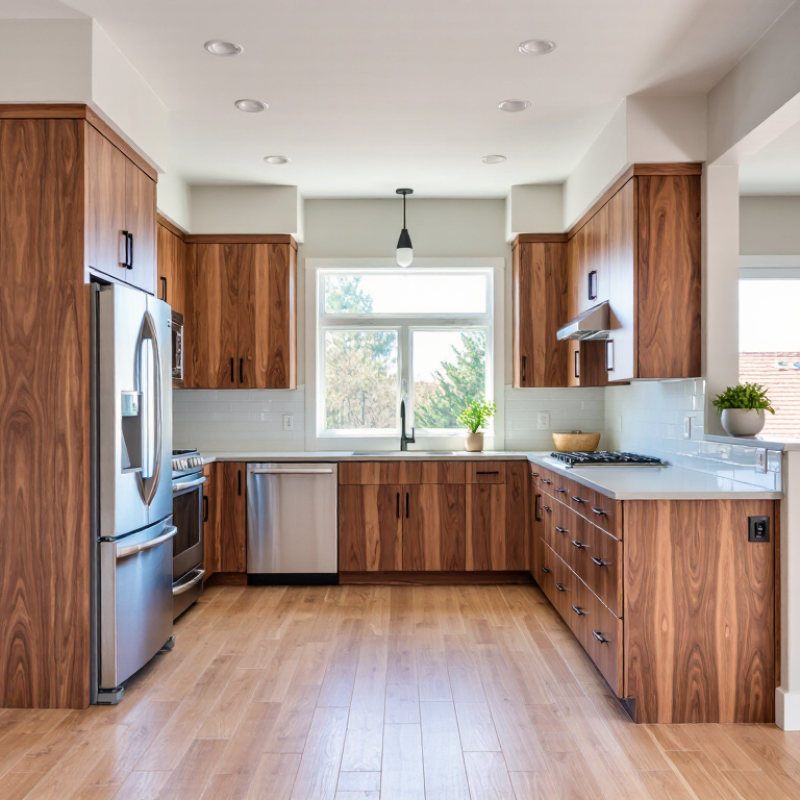
A full-house custom cabinet set usually covers more than kitchen cupboards. It may include cabinets for the kitchen, bathrooms, laundry room, pantry, home office, and storage areas. Each section is measured for your walls, ceiling height, plumbing points, and daily routines. A professional plan should show cabinet sizes, door styles, internal fittings, and appliance openings. Small details matter.
The package often includes cabinet boxes, doors, drawer fronts, shelves, hinges, drawer runners, handles, fillers, toe kicks, and finished side panels. Some estimates also include delivery, installation, trim, and countertop coordination. Confirm every item in writing. A low quote may exclude wall panels, lighting valances, or unusual corner hardware. Those omissions can change the final cost.
During a renovation, installers may also check uneven floors and out-of-square walls. These conditions can require scribing, extra fillers, or on-site adjustments. I once underestimated the value of adjustable shelves; fixed shelves looked tidy, but they wasted storage space later. I would also allow room for cleaning supplies, tall cookware, and recycling bins. Custom does not automatically mean practical. Review the layout with the person who will use each cabinet, not only the person who draws it. Expect some revisions. That is often where the better decisions appear.
The Main Factors That Determine Custom Cabinet Costs
How Much Does a Full House Custom Cabinet Set Cost 7 Tips?
A full-house custom cabinet set can cost $25,000 to $120,000, but that range is only a starting point. The main drivers are room count, cabinet volume, materials, labor, and installation conditions. More storage usually means more boxes, doors, drawers, and finishing time. An average kitchen may use 25 to 35 linear feet, while several bathrooms add considerable cost. That difference matters.
Material selection changes the estimate quickly. Paint-grade hardwood frames and plywood boxes often cost more than standard engineered panels. Door profiles, edge details, glass sections, and soft-close hardware add labor as well as material expense. A hand-applied finish may require multiple sanding stages and controlled drying space. Hardware is small. Yet hundreds of hinges and drawer slides can shift the total by thousands. In my estimating work, I have seen clients focus on wood species and overlook finish complexity. That mistake creates avoidable revisions.
Installation is another major factor. Uneven walls, tight stairways, plumbing changes, and electrical adjustments can increase site hours. Removing old cabinets and repairing damaged drywall should be priced separately. Design fees, delivery, taxes, and project management may also sit outside the cabinet quote. Ask for a room-by-room proposal with quantities, materials, finish samples, installation scope, and exclusions. Comparable details matter. A low estimate can look attractive until missing filler panels, trim, or touch-up work appear. I still leave a contingency, because real homes rarely match the drawings perfectly.
How Much Does a Full House Custom Cabinet Set Cost? 7 Tips - The Main Factors That Determine Custom Cabinet Costs
| Tip |
Main Cost Factor |
Typical Cost Effect |
Illustrative Budget Range |
What Usually Changes the Price |
| 1 |
Total Cabinet Quantity |
Largest overall cost driver |
$35,000–$100,000+ |
For a typical 2,000–3,500 sq. ft. home, a full-house custom package may include the kitchen, bathrooms, laundry room, mudroom, pantry, and built-ins. More linear feet, tall cabinets, and additional rooms increase labor and materials. |
| 2 |
Cabinet Construction |
Approximately 10%–25% difference |
$15,000–$35,000 for semi-custom; $35,000–$100,000+ for fully custom |
Fully custom cabinets are built to exact dimensions and usually offer more layout flexibility than stock or semi-custom products. Face-frame, frameless, inset, and overlay construction also affect labor and precision requirements. |
| 3 |
Material and Finish Selection |
Approximately 15%–40% difference |
$8,000–$30,000+ of a full-house budget |
Paint-grade hardwood, veneer, laminate, and solid-wood options have different material costs. Hand-applied finishes, specialty stains, high-gloss coatings, and complex color matching generally require more labor. |
| 4 |
Door Style and Detail Level |
Approximately 5%–20% difference |
$2,000–$15,000+ in added detail costs |
Flat-panel doors are generally simpler to manufacture. Shaker profiles, raised panels, applied moldings, furniture feet, fluting, reeded panels, and curved doors increase machining and finishing time. |
| 5 |
Interior Storage Features |
Approximately 10%–30% difference |
$3,000–$20,000+ in upgrades |
Pull-out shelves, drawer organizers, tray dividers, waste sorting, corner mechanisms, appliance garages, lift-up doors, and specialized pantry storage add hardware and installation labor. |
| 6 |
Hardware and Accessories |
Approximately 5%–15% difference |
$1,500–$12,000+ |
Drawer slides, hinges, handles, knobs, soft-close systems, LED lighting, charging outlets, and built-in power accessories vary substantially in quality, quantity, and installation complexity. |
| 7 |
Site Conditions and Installation |
Approximately 10%–25% of the project cost |
$5,000–$25,000+ |
Uneven walls, out-of-level floors, difficult access, demolition, trim work, scribing, delivery distance, and remodeling around existing plumbing or electrical systems can increase installation costs. |
|
Planning benchmark: A full-house custom cabinet package commonly falls between $35,000 and $100,000+ before countertops, appliances, plumbing fixtures, taxes, and major remodeling work. A realistic final quote should include field measurements, drawings, finish samples, hardware specifications, delivery, installation, and any applicable local taxes.
|
Cost ranges are illustrative U.S. residential estimates and can vary by region, home size, design complexity, material availability, and installer rates.
How to Calculate Cabinet Costs Room by Room
How Much Does a Full House Custom Cabinet Set Cost? 7 Tips
How to Calculate Cabinet Costs Room by Room
A full-house cabinet budget becomes clearer when each room has its own worksheet. Measure wall length, cabinet height, fillers, panels, and special storage. Multiply the required linear feet by the estimated cabinet rate. Then add installation, delivery, countertop preparation, and local taxes. A kitchen may cost more because it needs deeper boxes, drawers, corner solutions, and appliance panels. Bathrooms usually need fewer cabinets, but moisture-resistant materials can raise the price.
Tip 1: Measure finished walls, not rough framing. Tip 2: Separate base, wall, and tall cabinets. Tip 3: Record every exposed end panel. These details are easy to miss. In a recent planning exercise, my first estimate was too low because I ignored filler strips and trim returns. That mistake changed the total noticeably.
Tip 4: Price each room separately before combining totals. Tip 5: Keep hardware, lighting, and interior organizers outside the cabinet allowance. Tip 6: Request labor as a separate line item. Tip 7: Add a 10–15 percent contingency for design changes or damaged parts. Compare written estimates with matching specifications, not just headline prices. Ask whether installation includes leveling, wall scribing, and final adjustments. A reliable estimate explains assumptions clearly. Still, no worksheet predicts every surprise. Uneven floors and late layout changes can affect the final cost.
How Materials, Hardware, Labor, and Installation Affect Pricing
A full-house custom cabinet set is priced by more than door count. Materials usually create the largest swing. Painted hardwood frames, plywood boxes, veneer, and laminate each carry different costs. A kitchen with tall pantry units may use far more sheet goods than expected. Moisture-resistant panels also raise the estimate. Ask for the cabinet material, thickness, finish, and expected waste allowance. A clear quote should separate these details.
Hardware quietly changes the total. Soft-close hinges, deep drawer runners, pull-out trays, and lift mechanisms require more labor and better tolerances. Basic hinges may lower the invoice, but daily use can reveal the compromise. Count every handle, insert, and internal accessory. Small parts multiply quickly. Labor depends on design complexity, site access, and finishing demands. Hand-sprayed doors need controlled preparation and extra drying time. Uneven walls can force scribing, fillers, or redesigned panels. Installation is not a minor add-on. Delivery, old-unit removal, leveling, plumbing coordination, and final adjustments may each appear as separate charges.
Use seven practical checks before approving a proposal. Compare identical materials. Request scaled drawings. Confirm hardware specifications. Ask how measurements are verified. Separate workshop labor from installation. Keep a contingency for wall repairs. Review the payment schedule and warranty terms. I have seen homeowners focus on the lowest total, then pay more for corrections. Early estimates are imperfect, especially before an on-site inspection. A reliable cabinet professional explains assumptions, documents changes, and revises pricing when conditions differ. That honesty is worth more than a polished promise.
How Much Does a Full-House Custom Cabinet Set Cost? 7 Pricing Factors
Estimated mid-range budget for a complete custom cabinet package, shown in USD. The model assumes multiple kitchens, bathrooms, storage areas, and living spaces in one home.
Materials and finish typically represent the largest share of the budget, while skilled labor and installation add substantial cost because every cabinet must be measured, fabricated, adjusted, and fitted on site. Premium hardware, internal organizers, design services, and complex access conditions can raise the final price beyond this planning estimate.
Seven Practical Tips for Planning a Custom Cabinet Budget
A full-house custom cabinet set can cost roughly $25,000 to $100,000 or more, depending on materials, rooms, hardware, and installation. Treat online estimates as starting points, not promises. Measure every wall, doorway, ceiling height, and appliance opening before requesting prices. Small errors can create expensive changes later.
Define your must-haves before choosing finishes. Soft-close drawers, tall pantry storage, and durable hinges may deserve priority over decorative details. Request itemized quotes for cabinets, delivery, installation, fillers, panels, lighting, and taxes. Compare the scope, not only the final number. Ask who handles site measurements and how revisions are charged. Keep a written record. It prevents confusion.
Set aside 10% to 20% for surprises, especially in older homes with uneven floors or hidden plumbing. Confirm the payment schedule, lead time, warranty terms, and installation responsibilities. Consider phasing less-used rooms if the budget feels strained. A phased plan can protect cash flow, although matching finishes later may be difficult. Be realistic about your habits; expensive storage is wasted when daily items remain on the counter. Leave room for reflection before signing.
FAQS
It may include the kitchen, bathrooms, laundry room, pantry, office, and storage areas. Each space receives a tailored layout. Small details matter.
The package often includes cabinet boxes, doors, drawer fronts, shelves, hinges, runners, handles, fillers, and toe kicks. Finished side panels may also be included. Confirm every item in writing.
Some estimates include delivery, installation, trim, and countertop coordination. Others exclude wall panels, lighting valances, or special corner hardware. The quote may change.
A typical project may cost about $25,000 to $100,000 or more. Materials, room count, hardware, and installation affect the price. Online estimates are only starting points.
Measure walls, doorways, ceiling heights, plumbing points, and appliance openings. Small measurement errors can cause expensive changes. Ask who performs the final site measurement.
Soft-close drawers, adjustable shelves, durable hinges, and tall pantry storage can improve daily use. Include space for cleaning supplies, cookware, and recycling bins. Decorative finishes can wait.
Older homes may have uneven floors or walls that are not square. Installers might need scribing, fillers, or on-site adjustments. These details are easy to underestimate.
Reserve 10% to 20% for surprises, especially around hidden plumbing or uneven surfaces. Request an itemized quote and written payment schedule. I would leave time to reconsider.
Yes, less-used rooms can be completed later when the budget feels tight. Phasing can protect cash flow. Matching finishes later may be difficult.
Conclusion
How much does a full-house custom cabinet set cost depends on the size of the home, the number of rooms, cabinet layout, materials, finishes, storage features, and level of customization. A complete set may include cabinetry for the kitchen, bathrooms, laundry area, wardrobes, entryway, and other living spaces. To estimate the total, calculate each room separately by measuring cabinet length, identifying the required storage functions, and adding the expected cost of doors, drawers, interior fittings, and accessories.
Materials, hardware, labor, delivery, and installation can significantly influence the final budget. Durable materials and premium hardware may increase the initial price while improving appearance and long-term performance. Careful planning can help control expenses: define priorities, measure accurately, compare material options, allow for installation and unexpected costs, simplify unnecessary features, review the design in detail, and request a clear written quotation. A room-by-room estimate makes it easier to balance quality, functionality, and affordability across the entire home.
 AJS Furniture
