AJS Furniture AJS Furniture

Why are floor to ceiling cabinets gaining popularity in design?

Time:2026-06-22 Author:Amelia
0%

Recent trends in home design reveal a growing interest in floor-to-ceiling cabinets. A study from the National Association of Home Builders noted a 25% increase in demand for such installations over the past three years. Homeowners now seek to maximize storage while enhancing visual appeal. This shift raises the question: Why are floor-to-ceiling cabinets trending?

Many attribute this shift to the desire for more efficient spaces. Floor-to-ceiling cabinets provide increased storage capacity, which is crucial in urban living. Additionally, they create a streamlined look, helping small rooms feel larger. However, some critics argue that while attractive, they can overwhelm a space if not designed thoughtfully. Striking the right balance in aesthetics and function is vital.

Market insights show that consumers prioritize both practicality and beauty. Reports indicate that homes using floor-to-ceiling cabinets can see a return on investment of up to 15% when selling. Ultimately, the rising popularity of these cabinets reflects a broader desire for functional yet stylish living environments. The balance of utility and design remains a point of reflection for many designers and homeowners alike.
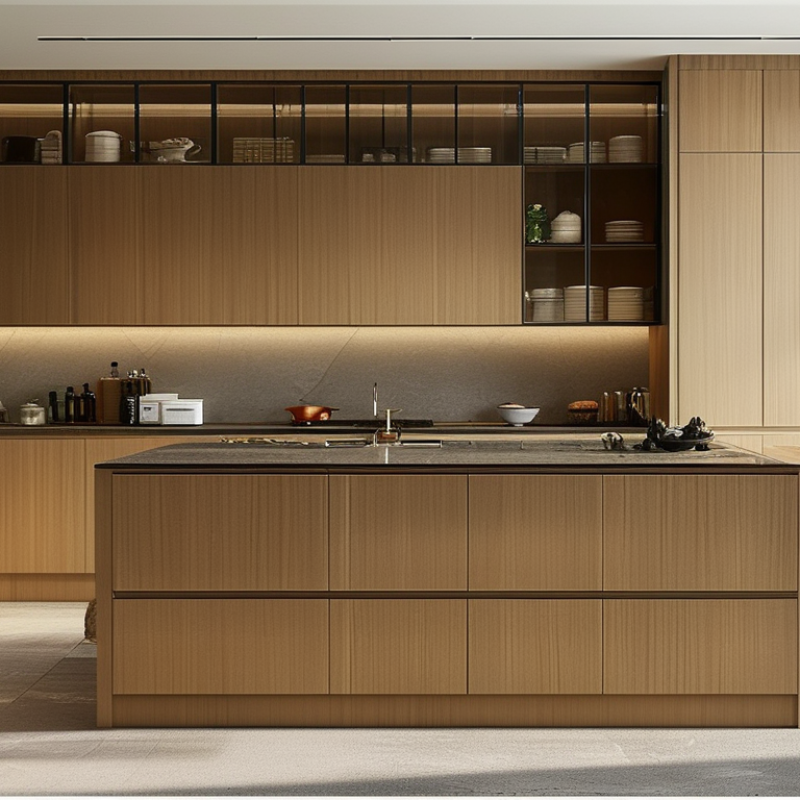
Why are floor to ceiling cabinets gaining popularity in design?

Benefits of Floor to Ceiling Cabinets in Modern Spaces

Floor to ceiling cabinets are changing the way we think about storage in modern homes. These cabinets provide not just space, but also a sense of elegance. They draw the eye upward, creating the illusion of taller ceilings. In smaller rooms, they can maximize every inch, offering more storage without sacrificing style. Their minimalist design appeals to those seeking a clean, uncluttered look.

One significant advantage is their versatility. These cabinets can be customized to fit any decor. Whether your space is contemporary or traditional, floor to ceiling options can seamlessly blend in. They allow for display and hidden storage alike. However, they may not appeal to everyone. Some might find them overwhelming in a small room. Others may worry about accessibility, especially for items stored on top shelves.

Another aspect to consider is the installation. Achieving that perfect alignment requires precision. A poorly installed cabinet can disrupt the overall aesthetic. Proper planning is essential. It’s vital to understand your needs and preferences before committing to such a striking design choice. Balancing form and function is key to creating a space that feels both beautiful and practical.

Aesthetic Appeal: Enhancing Visual Height and Dimensions

Floor-to-ceiling cabinets are transforming modern interiors. They enhance visual height, making spaces feel larger. This trend is not just aesthetic; it has practical implications. Reports indicate that 78% of homeowners prioritize storage solutions. Maximizing vertical space is key in smaller rooms.

These cabinets draw the eye upward, creating an illusion of grandeur. The sleek design fits seamlessly into various styles. In fact, studies show that homes with taller cabinetry can appear 25% more spacious. The balance of function and style is appealing. Yet, not every layout benefits from this choice.

Some interiors feel cramped when too much space is occupied. Overloading walls with cabinets can lead to a visual block. Proper planning is essential to maintain flow and openness. Designers recommend thoughtful integration to avoid overwhelming a room. It’s crucial to assess the space before committing to the trend. Embracing this style involves a careful consideration of both aesthetics and utility.

Maximizing Storage: Efficient Use of Vertical Space

Floor-to-ceiling cabinets are becoming a staple in modern design. They efficiently utilize vertical space, offering a sleek look and maximizing storage potential. With rising urbanization, homes are often smaller, making effective storage solutions essential. These cabinets not only provide ample storage but also create a sense of height in a room, making it feel more spacious.

When incorporating floor-to-ceiling cabinets, consider your room’s layout. Avoid overcrowding by selecting the right cabinet style. Open shelving integrated into these designs can encourage creativity and display personal items. Balance storage efficiency with aesthetic appeal.

**Tip:** Use clear bins or labeled boxes inside the cabinets. This enhances organization and visibility.

Reflect on the materials you choose. Wood offers warmth, while metal provides a modern touch. Explore textures and colors that align with your overall design theme. Floor-to-ceiling cabinets can be a challenge, as they may dominate a space if not chosen carefully. This requires thoughtful planning to ensure they fit your needs and style.

Trends in Interior Design: Shift Towards Minimalism and Functionality

The surge in popularity of floor-to-ceiling cabinets reflects a broader trend in interior design toward minimalism and functionality. Research from the American Institute of Architects indicates that 72% of homeowners prefer open and uncluttered spaces. This preference paves the way for innovative storage solutions like floor-to-ceiling cabinets, which maximize vertical space while minimizing visual clutter. They not only offer ample storage but also create an illusion of larger rooms, a crucial feature in urban apartments.

As people embrace minimalism, the emphasis shifts toward quality over quantity. Data from the National Kitchen and Bath Association shows that 58% of homeowners prioritize storage in their kitchen renovations. This shift has resulted in designs that blend aesthetics with practicality. However, it is worth noting that these cabinets can sometimes feel overwhelming if not styled correctly.
Balancing functionality with personal style requires thoughtful design choices. It's essential to reflect on how these elements function in daily life and whether they truly enhance or disrupt the intended minimalist atmosphere.

Sustainability and Customization: Eco-Friendly Materials and Designs

Floor to ceiling cabinets are trending in modern design. One key reason is their commitment to sustainability. Many designers are choosing eco-friendly materials for these cabinets. Bamboo, reclaimed wood, and recycled metals are popular options. They reduce the impact on the environment while adding warmth and beauty to spaces.

Customization is another important aspect. Homeowners can select finishes, colors, and layouts that reflect their personal style. This tailored approach is appealing. However, choosing the right materials can be challenging. Not all eco-friendly options are durable. Some may require more maintenance over time. It’s vital to balance aesthetics with functionality.

Creating a unique look often involves trial and error. Homeowners must carefully consider their choices. Consulting with design professionals can help in this process. Their expertise ensures that the final product meets both design and sustainability goals. Ultimately, the rise of floor to ceiling cabinets reflects a growing awareness of quality and responsibility in design.

FAQS

: What are the advantages of floor to ceiling cabinets?

: They maximize storage and create an elegant, spacious feel in rooms. They draw the eye upward, enhancing the overall aesthetic.

How do these cabinets help in smaller rooms?

They utilize vertical space effectively, providing storage without cluttering. This makes small areas feel more open and organized.

Can floor to ceiling cabinets be customized?

Yes, they can be tailored to fit various styles and preferences. Options for colors, finishes, and layouts enhance personal expression.

What materials are commonly used for these cabinets?

Popular eco-friendly materials include bamboo, reclaimed wood, and recycled metals. These options add beauty while being sustainable.

Are there any potential downsides to these cabinets?

They may feel overwhelming in small spaces. Accessing items on higher shelves can also be a concern for some.

How important is proper installation for floor to ceiling cabinets?

Very important. Good alignment is crucial for aesthetics. Poorly installed cabinets can disrupt the visual harmony of the space.

What should I consider before installing them?

Consider your room’s layout and avoid overcrowding. Think about balance between storage needs and how they fit the room’s style.

Do floor to ceiling cabinets require regular maintenance?

Some materials may require more upkeep than others. It's essential to choose durable options to minimize future work.

How can I enhance organization inside these cabinets?

Use clear bins or labeled boxes. This will help you identify contents quickly and keep everything tidy.

Is professional consultation recommended when choosing designs?

Yes, consulting design professionals can ensure that choices meet both aesthetic and functional needs effectively.

Conclusion

In recent years, the popularity of floor-to-ceiling cabinets has surged, and a key question emerges: why are floor-to-ceiling cabinets trending in modern design? One of the primary benefits of these cabinets lies in their aesthetic appeal, as they enhance the visual height and dimensions of a space, creating an illusion of grandeur and openness. Additionally, they maximize storage through the efficient use of vertical space, allowing homeowners to capitalize on every inch of their environment.

Furthermore, as interior design trends increasingly favor minimalism and functionality, floor-to-ceiling cabinets align perfectly with these ideals, offering a sleek and uncluttered look. Sustainability also plays a vital role, with many homeowners opting for eco-friendly materials and customizable designs that reflect their values. This combination of aesthetic, functional, and sustainable qualities explains the rising trend of floor-to-ceiling cabinets in contemporary interiors.

Amelia

Amelia

Amelia is a seasoned marketing professional with a wealth of expertise in our company’s core offerings. With an unwavering passion for driving growth and innovation, she plays a pivotal role in shaping our marketing strategies and enhancing brand visibility. A key aspect of her responsibilities......