AJS Furniture
Choosing the right wall panel colors for your flooring can be a daunting task. According to interior design expert Sarah Lawson, "The secret lies in finding a balance between the wall and the floor." This highlights the importance of creating harmony within your space.
When considering how to match wall panels with flooring colors, think about the mood you want to create. Lighter wall panels often brighten up a room, making it feel more spacious. Meanwhile, darker flooring can add elegance and warmth. However, too much contrast can be jarring. You may need to experiment to find the right mix, as some combinations might not work on the first try.
Pay attention to textures as well. A matte wall panel may clash with shiny flooring. This aspect is often overlooked. It's crucial to evaluate the samples in different lighting to see how colors interact throughout the day. Ultimately, being patient and open to adjustments can lead to a beautifully cohesive design.
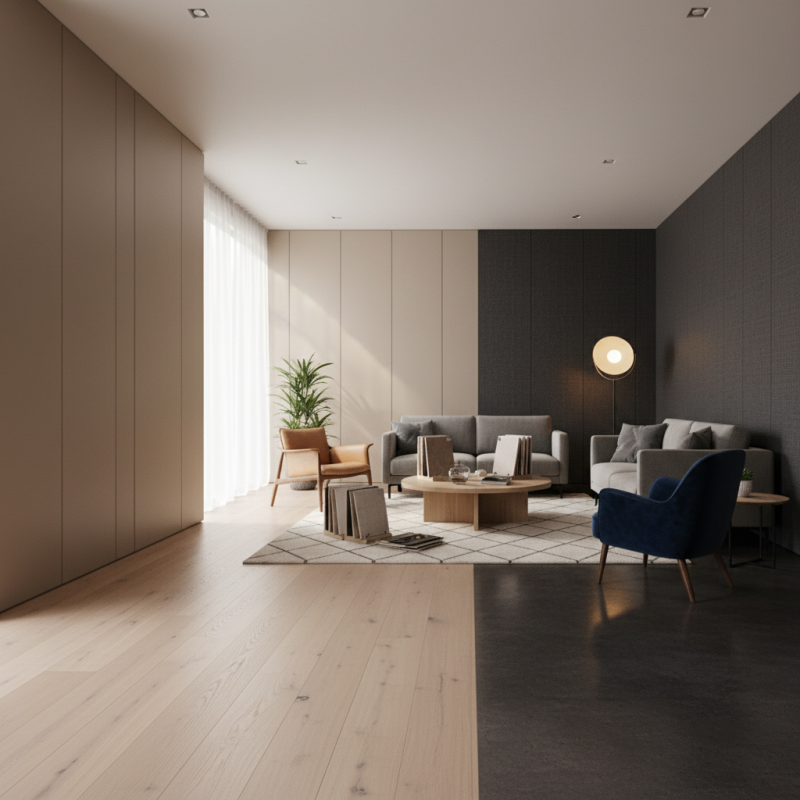
Choosing wall panel colors is not just about aesthetics. It involves understanding how these colors interact with your flooring. For instance, a dark wood floor can create a striking contrast with light-colored wall panels. This stark difference adds depth to a room. Conversely, matching similar tones can create a calming effect, making spaces feel larger and more cohesive. Think about the mood you want to set; warm hues can evoke comfort, while cooler shades often feel more modern.
Consider natural light as well. A room bathed in sunlight will reflect wall colors differently than a dimly lit one. Warmer wall colors can help brighten a dark room, while cooler tones can tone down the brightness. Experimenting with samples in different lighting can lead to surprising results. Remember, your choice should also reflect your personal style and the overall theme of your home. This journey may involve trial and error, leading to unexpected yet delightful outcomes that enhance your living space.
When selecting wall panel colors, various factors play a crucial role. Consider the existing flooring tones. If your flooring features warm tones, opt for wall panels that complement or enhance that warmth. A light beige or soft cream can create harmony. Bold colors can clash if not chosen wisely.
Natural light also impacts color perception. Rooms with limited natural light benefit from lighter wall panels. This choice brightens the space and creates an inviting atmosphere. Dark panels can absorb light, making a space feel smaller. The size of the room matters too. In smaller spaces, soft hues can create an illusion of depth, while larger areas can handle darker or bolder colors.
Personal style is another important aspect. Think about the mood you want to create. Calm environments may benefit from muted tones, while vibrant colors can energize a space. Keep in mind that color trends can be fleeting. What seems stylish today might feel outdated in a few years. Therefore, choosing timeless colors can ensure longevity in your design. Remember, the right color choice requires thoughtful consideration and a willingness to adapt.
| Factor | Description | Example Colors |
|---|---|---|
| Natural Light | Consider how much natural light the room gets, as it affects how colors appear. | Soft White, Pale Blue |
| Room Size | Lighter colors can make a small room feel larger, while darker colors can add coziness. | Light Gray, Cream |
| Flooring Color | Choose wall colors that complement the tone of your flooring to create a cohesive look. | Earthy Tones, Muted Greens |
| Style & Theme | Align wall panel colors with your overall design theme to create a harmonious environment. | Navy for Coastal, Soft Pastels for Vintage |
| Personal Preference | Ultimately, choose colors that reflect your personal taste and make you feel comfortable. | Bright Red, Sunset Orange |
When selecting wall panel colors, consider the type of flooring in your space.
Light-colored wood flooring pairs beautifully with soft pastels like mint green or pale yellow. These hues create a fresh and airy feel.
Dark hardwood floors, on the other hand, work well with deeper shades. Rich navy or charcoal gray can add drama and warmth to the room.
For ceramic tile flooring, neutrals can complement various designs. A muted beige or crisp white helps to reflect light beautifully.
They also provide a versatile backdrop for decorations. If your tile features bold patterns, choose wall panels in subtle tones to avoid clash.
A more adventurous option might be to match wall colors to accent tiles, creating a cohesive look for an inviting atmosphere.
Remember that lighting affects how colors appear. Natural light can brighten up darker shades, while warmer tones can absorb light, making rooms feel cozier.
It’s important to test samples in your space. This hands-on approach helps visualize how everything comes together. Choosing colors shouldn’t be an overwhelming task.
Embrace your unique style and preferences to ensure your space feels personal and inviting.
Choosing the right wall panel colors can greatly enhance the look of your flooring. Start by considering the room's overall style. If you have hardwood floors with warm tones, aim for earthy colors like beige or soft greens. These shades complement natural wood beautifully. For a more modern touch, try cool greys with bright white panels. This contrast can make the space feel fresh and airy.
Texture is also crucial in harmonizing colors. Matte finishes often give a cozy vibe, while glossy panels can add sophistication. Mixing textures can evoke interest. However, be cautious; too many textures can create chaos. Reflect on how each color and finish affects mood in the room. Deep, bold hues can feel dramatic and intimate. In contrast, lighter colors can cultivate a sense of spaciousness.
Experimenting with samples is a practical way to visualize your choices. Look at different combinations under varying lighting. Natural light will reveal different tones than artificial sources. Take the time to consider how these elements play together. Sometimes the right choice may not be the one you expected. Allow yourself to explore, even if it leads you to reconsider your initial plans.
When selecting wall panel colors, testing combinations is crucial. Using samples can help visualize how colors interact with flooring. It’s essential to gather different shades that complement your flooring style. For example, a light grey panel can contrast beautifully with dark hardwood, creating a striking visual effect. However, choosing colors can be overwhelming. Sometimes the right combination is not obvious.
Visualization techniques play a significant role in this process. Create mood boards to better understand your choices. Digital tools can also help simulate how colors look together. Place samples against your flooring and observe them in different lighting. Natural light may alter the perceived color. Sometimes, a color looks stunning in a sample but feels off in your space. This is where reflective decisions come in.
Don’t hesitate to ask for feedback from friends or family. They might see things you overlook. Trust your instincts but remain open to change. Color choices can evoke emotions. Monitor how you feel in the space with chosen colors. It is always good to take a step back and reassess your options. The best choice often comes from thoughtful evaluation and testing.
: Warm hues evoke comfort, while cooler shades feel modern. Choose based on the atmosphere you want.
Natural light alters color perception. Lighter panels brighten dark rooms, while darker ones absorb light and may shrink space.
Match wall colors with flooring tones. For warm floors, use earthy colors; for cool floors, consider greys.
In smaller spaces, soft hues create depth. Larger areas can accommodate darker, bolder wall colors without feeling cramped.
Yes, matte finishes feel cozy, while glossy panels add sophistication. Mix textures carefully to avoid confusion.
Trends can fade quickly; opt for timeless colors for longevity. Consider your personal style for lasting appeal.
Very important. Testing samples in different lights helps visualize combinations. Be open to unexpected choices.
Yes, deep colors create intimacy, while lighter tones offer spaciousness. Reflect on your desired mood.
Take your time. Reflect on how different combinations interact. Be willing to adapt your initial ideas for better outcomes.
Choosing the right wall panel colors to complement your flooring is crucial for creating a cohesive interior design. Understanding the relationship between wall panel colors and flooring is the first step. Factors such as natural light, room size, and existing decor all influence this decision. Popular color schemes can vary based on flooring types, with certain hues enhancing the aesthetic of wood, tile, or carpet.
To successfully harmonize the colors, think about the style of the flooring and how it interacts with wall colors. Testing color combinations through samples and visualization techniques can provide clarity, ensuring you achieve a balanced look. By applying these principles, you will learn how to match wall panels with flooring colors effectively, creating a harmonious and inviting space.
