AJS Furniture
Choosing the right material for kitchen cabinets significantly impacts both aesthetics and durability. With the kitchen being a focal point in many homes, homeowners are increasingly interested in the long-term performance of these materials. According to a recent survey by the National Kitchen & Bath Association, over 70% of homeowners prioritize material quality when renovating. This statistic highlights the importance of making informed choices.
When exploring "How to choose the best material for kitchen cabinets," consider various options such as wood, laminate, and metal. Each material offers unique benefits and drawbacks. For instance, solid wood may provide a timeless elegance. However, it can also be prone to warping or scratching. Laminate, on the other hand, is cost-effective and resistant to stains but may not offer the same prestige.
Ultimately, the decision hinges on a balance of aesthetics, durability, and personal preference. As you navigate this choice, it's vital to reflect on the specific needs of your kitchen environment. Factor in elements like climate, usage frequency, and maintenance willingness. Your decision will shape the heart of your home for years to come.
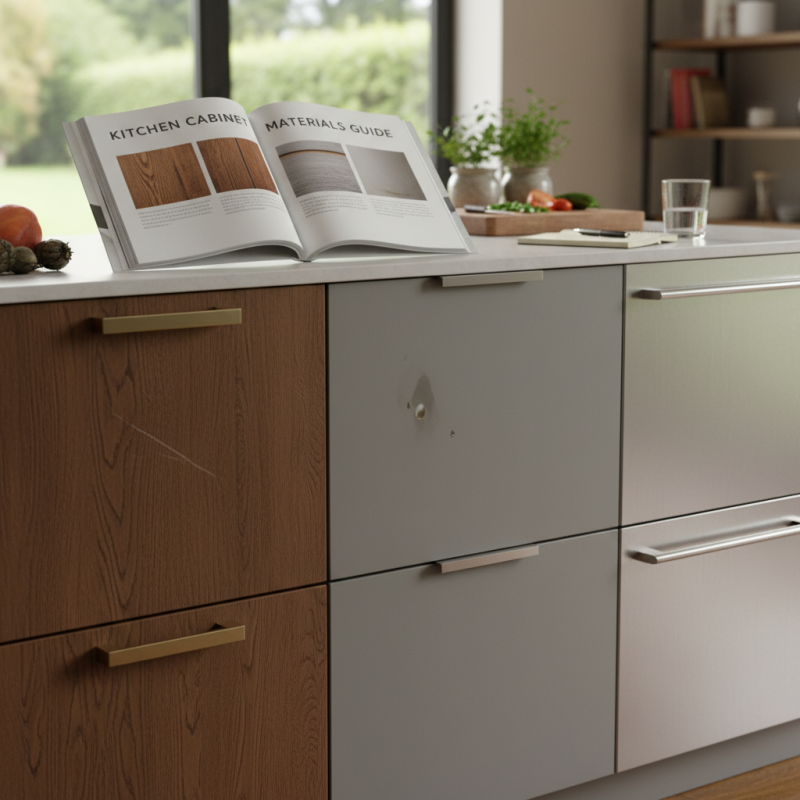
When choosing kitchen cabinets, understanding the materials is crucial. Different materials can affect both the look and durability of your cabinets.
Plywood is a popular choice. It offers strength and resistance to moisture. However, it can be more costly than other options.
Alternatively, particleboard is affordable but may not withstand heavy use.
Tips: Consider your kitchen's humidity levels. If your kitchen is prone to moisture, avoid solid wood. It can warp.
MDF (Medium Density Fiberboard) is another option. It provides a smooth surface for painting. However, it might not be as durable in high-traffic areas. A cabinet made from MDF may show dents easily.
Tips: Ensure you think about the cabinet's lifespan. Will it face daily use? If so, investing in better quality may save money over time. It's a balance between cost and longevity.
When choosing materials for kitchen cabinets, durability and maintenance are crucial factors.
Wood, while beautiful, can be high-maintenance. It needs regular sealing to resist moisture, making it less ideal for busy kitchens.
Plywood is sturdier but can still warp. It requires careful handling to maintain its structure over time.
Metal cabinets offer great durability. They resist dents and scratches but may show fingerprints. Cleaning them is simple, which appeals to many.
Laminate surfaces can also be easy to maintain. They come in various designs but can chip easily. This could require frequent touch-ups.
Ultimately, the best material often depends on your lifestyle.
Do you cook often? Kids or pets in the house? These questions matter. Choosing a material isn’t just about looks.
Think about how much time you want to spend on maintenance.
It's worth reflecting on your needs before making a choice.
When choosing kitchen cabinets, aesthetic appeal plays a key role. You want your kitchen to feel inviting and reflect your style. Consider colors that harmonize with your overall home design. Neutral tones can create a timeless look, while bold colors make a statement. Each choice shapes your space dramatically.
Design flexibility is crucial. Materials vary in texture and finish. Wood offers warmth, while metal can bring a sleek, modern touch. Think about the durability of each material as well. Some may scratch easily, while others may fade over time. You might love a style initially, but will it stand the test of time? Reflect on your cooking habits too. Do you often spill? Some materials handle messes far better than others.
It’s easy to get lost in trends. What's popular today may not feel right in a few years. Prioritize what resonates with you personally. Make a mood board or collect sample materials. Touch them. Visualize how they blend with your fixtures. Don't rush this decision; it shapes your kitchen for years. Ask friends for their thoughts, but trust your instincts.
When selecting materials for kitchen cabinets, budget plays a crucial role. The cost of cabinet materials can vary widely. For instance, plywood can range from $50 to $100 per sheet, while solid wood may cost between $70 and $200 per sheet. These costs can quickly add up, especially for larger kitchens.
MDF is often a budget-friendly choice. It can be found for around $30 to $60 per sheet. However, you must consider its durability. MDF is more prone to water damage compared to plywood and solid wood. This trade-off can lead to higher long-term costs if your cabinets deteriorate.
Research indicates that about 30% of homeowners regret their cabinet material choice due to premature wear and tear. Investing a little more in sturdy materials may provide better value. Solid wood often lasts longer than cheaper alternatives. Remember, the initial savings can lead to future expenses. Be sure to weigh the upfront costs against potential repairs and replacements down the line.
When selecting the material for kitchen cabinets, consider the environmental impact. Traditional materials like hardwood may seem appealing but often involve deforestation. Sustainable alternatives include bamboo and reclaimed wood. These options reduce waste and can offer unique aesthetic appeal.
Another aspect to explore is the finish used on cabinets. Many conventional finishes contain harmful chemicals. These can negatively affect indoor air quality. Opting for low-VOC (volatile organic compounds) finishes provides a safer alternative. It’s crucial, however, to verify the manufacturing processes. Not all brands are transparent about their practices.
Finally, take into account the longevity of the materials. High-quality cabinets may have a higher upfront cost but could be more sustainable over time. Cheaper materials often need replacement sooner, contributing to more waste. Choosing wisely means reflecting on both style and ecological impact. It's a balance between aesthetics and responsibility.
This chart illustrates the environmental impact of various kitchen cabinet materials based on three key factors: Carbon Footprint, Resource Renewability, and VOC Emissions. The data represents the relative impact of each material on the environment, helping consumers make more informed choices for sustainable kitchen designs.
: Common materials include plywood, particleboard, MDF, solid wood, metal, and laminate. Each has unique characteristics.
Plywood offers strength and moisture resistance. However, it may come with a higher price tag than other options.
If humidity is high, avoid solid wood. It is prone to warping in moist environments, which could affect durability.
Wood cabinets need regular sealing to prevent moisture damage. They can become high-maintenance in busy kitchens.
MDF provides a smooth surface for painting but may not endure heavy use well. Dents can appear easily.
MDF is affordable and typically ranges from $30 to $60 per sheet, while plywood is pricier but more durable.
Reflect on your lifestyle. Consider cooking frequency and whether you have kids or pets. Maintenance time matters.
Yes, many homeowners regret their choices due to wear and tear. Long-term value may surpass initial savings.
Laminate surfaces are easy to clean and come in various designs, but they can chip, leading to more touch-ups.
Metal cabinets resist dents and scratches, making them durable. However, they may show fingerprints and need regular cleaning.
When considering how to choose the best material for kitchen cabinets, it is essential to understand the various materials available and their unique properties. Different materials, such as solid wood, plywood, particleboard, and metal, offer distinct advantages in terms of durability, maintenance, aesthetic appeal, and design flexibility. Evaluating these factors will help you determine which material will best suit your kitchen's style and functional requirements.
Additionally, budget considerations play a significant role, as materials can vary widely in cost. It's crucial to balance quality with affordability. Lastly, the environmental impact and sustainability of the chosen materials are increasingly important for eco-conscious homeowners. By examining all these aspects, you can make an informed decision that aligns with your vision for your kitchen space.
