 AJS Furniture
AJS Furniture
AJS Furniture
A squeaky interior door hinge can turn a quiet hallway into an irritating daily alarm. The sound often begins as a faint chirp, then grows louder whenever the door moves. Learning How to fix a squeaky interior door hinge starts with identifying the actual cause, not spraying random products into the gap.
This guide presents seven practical ways to quiet the hinge safely and effectively. You may need to tighten loose screws, clean accumulated dust, lubricate the hinge pin, or correct slight door misalignment. Each method uses common household tools and focuses on careful inspection. A screwdriver, cloth, lubricant, and small hammer may be enough.
Work slowly. Small adjustments matter. Avoid forcing the hinge, because damaged knuckles can make the door harder to operate. Some lubricants also attract dust, which can recreate the noise later. That detail is easy to overlook. I have found that cleaning the hinge before lubrication usually produces a more reliable result.
The guide also explains when a squeak signals deeper wear, such as a bent pin, loose frame, or weakened screws. Not every noisy hinge needs replacement. Sometimes the simplest repair works best. Still, a temporary quiet hinge may not mean the underlying problem has disappeared. These methods help homeowners make informed repairs while protecting the door, frame, and surrounding paint.
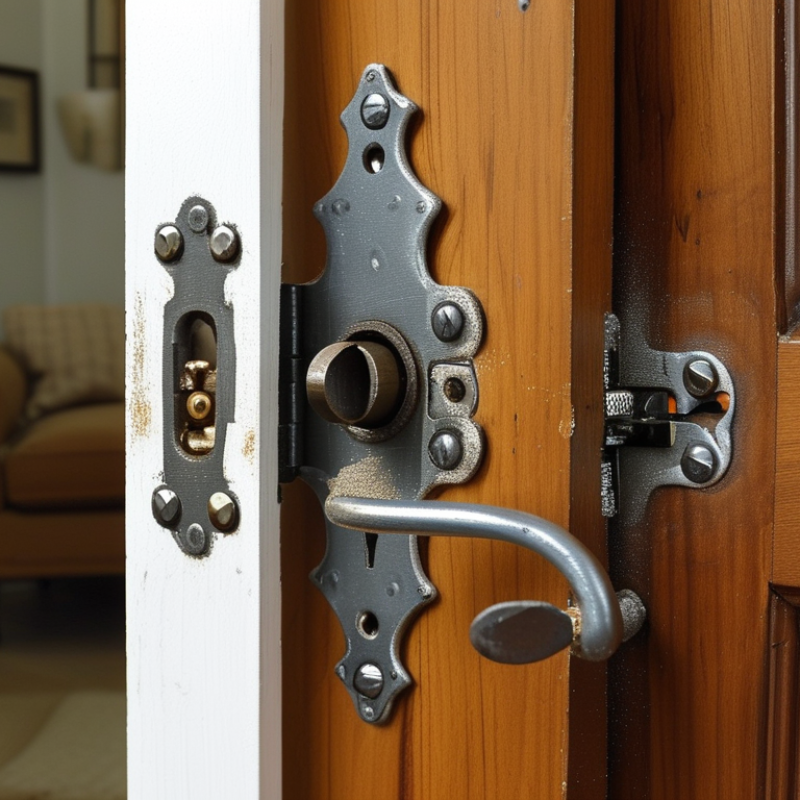
A squeaky interior door often hides its real source. Open and close the door slowly, then listen near each hinge. Touch the hinge leaves and pin with one finger. The vibrating hinge usually reveals the problem. A flashlight helps expose rust, loose screws, or a bent pin. That small test matters. I once blamed the upper hinge, but the middle hinge was making the noise.
Prepare the right tools before removing anything. Use a flat or cross-head screwdriver that fits the screw exactly. A poorly fitted tip can damage the head. Keep a clean cloth, flashlight, small hammer, nail punch, pliers, and suitable hinge lubricant nearby. A thin straw applicator helps direct lubricant into the pin joint. Protect the floor with cardboard. Ventilate the room if the lubricant produces strong fumes.
Try tightening loose screws first, using steady pressure. Do not overtighten them. If a pin sticks, tap it upward gently with the punch and hammer. Wipe away black residue before applying a small amount of lubricant. Work the door several times afterward. If the hinge still squeaks, inspect the pin for bending or heavy wear. Replacing one damaged pin may solve the issue, although matching hardware is sometimes less simple than expected. I have occasionally tightened a hinge too much and created a new rubbing sound. Check the door gap again.
| No. | Repair Method | Likely Source of the Squeak | Tools and Materials | Recommended Procedure | Typical Time | Difficulty / Risk |
|---|---|---|---|---|---|---|
| 1 | Tighten Loose Hinge Screws | Movement between the hinge leaf, door edge, or frame caused by loose screws. | Manual screwdriver or drill-driver, matching screwdriver bit, replacement screws if needed. | Open the door, support its weight, and tighten each screw gently. Do not overtighten, because excessive force can strip the wood or pull the hinge out of alignment. | 5–10 minutes | Easy / Low risk |
| 2 | Apply a Penetrating Lubricant | Dry or lightly corroded contact surfaces around the hinge pin. | Penetrating lubricant, paper towel, small cloth, and a thin applicator or straw. | Place a small amount of lubricant at the top and bottom of the hinge knuckles. Move the door repeatedly to work it into the joint, then wipe away excess to prevent drips and dust buildup. | 5–10 minutes | Easy / Low risk |
| 3 | Clean Dust and Old Residue | Dust, paint flakes, or hardened residue rubbing inside or around the hinge knuckles. | Vacuum or soft brush, clean cloth, cotton swabs, mild cleaner, and eye protection. | Close or support the door, remove loose debris with a brush or vacuum, and wipe the hinge surfaces. Allow any water-based cleaner to dry completely before lubricating. | 10–15 minutes | Easy / Low risk |
| 4 | Lubricate the Hinge Pin | Friction along the full length of a dry hinge pin, especially when surface application is temporary. | Nail or small punch, hammer, pliers, cloth, white lithium grease or suitable hinge lubricant. | Place a cloth beneath the hinge, tap the pin upward slightly, and pull it out with pliers. Coat the pin lightly, reinstall it, and operate the door several times. Work on one hinge at a time to keep the door supported. | 15–25 minutes | Moderate / Use care |
| 5 | Correct Door or Hinge Alignment | Door weight or shifted hinges causing side pressure, rubbing, or uneven gaps. | Level, screwdriver, wood shims, tape measure, and replacement screws if required. | Check that the door is level and that the gaps around the frame are reasonably even. Tighten or reposition screws gradually, using shims to support the door while correcting minor movement. | 20–45 minutes | Moderate / Check alignment |
| 6 | Replace a Bent or Worn Hinge Pin | A visibly bent pin, loose knuckle, or hinge that remains noisy after cleaning and lubrication. | Replacement hinge pin of the correct size, pliers, punch, hammer, and lubricant. | Compare the replacement pin with the existing pin before removal. Remove and replace one pin at a time, confirm that the knuckles line up, and apply a light coat of lubricant before testing the door. | 15–30 minutes | Moderate / Match size |
| 7 | Replace the Damaged Hinge | Cracked metal, severely worn knuckles, stripped screw holes, or persistent squeaking after other repairs. | Matching replacement hinge, screwdriver or drill-driver, wood filler or longer suitable screws, shims, and measuring tape. | Support the door with shims, remove the damaged hinge, and install a replacement with the same size and screw-hole pattern when possible. Keep the hinge leaves flush with the door and frame, then test the swing. | 30–60 minutes | Moderate / Support door |
Open and close the door slowly. Listen near each hinge and touch the hinge pin carefully. The vibrating hinge usually reveals the source. A flashlight can expose rust, loose screws, or a bent pin. Small movements matter.
Gather a correctly fitting screwdriver, clean cloth, flashlight, small hammer, nail punch, pliers, and suitable lubricant. Keep cardboard beneath the door. A thin straw helps direct lubricant into the pin joint. Protect the floor.
Yes, tighten loose screws with steady pressure. Stop when the hinge sits firmly against the frame. Overtightening can create rubbing or misalignment. I once tightened every screw and missed a shifted hinge leaf.
Wipe away dust and black residue first. Apply a small amount of suitable hinge lubricant to the pin joint. Move the door several times, then wipe away excess. Too much lubricant attracts grit.
Support the door with a thin shim beneath it. Tap the pin upward gently using a nail punch and small hammer. Do not force it. Remove the pin carefully and inspect it for grooves or bending.
Check the hinge leaves and door gap before adding more lubricant. Loosen the screws slightly, adjust the door position, and tighten them again. A thin shim behind the hinge may correct minor alignment problems. Forced adjustment can damage the frame.
Replace a visibly bent pin, cracked hinge, or heavily worn component. Repeated loosening usually means complete hinge replacement is more reliable. Matching hardware can be less simple than expected. Measure carefully before buying a replacement.
Inspect the hinges every six to twelve months, especially in humid rooms. Remove dust, check fasteners, and watch for swelling around the frame. Test that the door closes evenly and does not scrape. Less lubricant often works better.
A squeaky interior door hinge is usually caused by dust, rust, friction, or loose components. To learn how to fix a squeaky interior door hinge, first identify which hinge is making the noise and gather basic repair tools, such as a screwdriver, cloth, and suitable lubricant. Open and close the door slowly to locate the source, then remove visible dirt and rust from the hinge surfaces. Cleaning the hinge before lubrication helps the product work more effectively and prevents abrasive buildup from causing further wear.
Next, apply a small amount of appropriate lubricant directly to the hinge pin and move the door back and forth to distribute it evenly. If the squeak continues, check for loose screws, misalignment, or worn hinge parts. Tighten or adjust the components carefully, and replace damaged parts when necessary. Finally, test the door several times and wipe away excess lubricant. Regular cleaning, occasional lubrication, and prompt tightening can help prevent future squeaking and keep the door operating smoothly.
