AJS Furniture AJS Furniture

What is the best layout for laundry room cabinets?

Time:2026-07-17 Author:Oliver
0%

Designing an efficient laundry room is crucial for maximizing space and functionality. One essential aspect to consider is, "What is the best layout for a laundry room cabinet?" The right layout can make laundry tasks easier and more enjoyable. A well-organized cabinet can store detergents, fabric softeners, and other essentials, reducing clutter.

When planning your laundry room, think about accessibility. Cabinets should be positioned where you need them most. This means placing frequently used items within easy reach. However, some users may find that their initial layouts don't meet their expectations. A cabinet too high or too deep might hinder access. It's essential to reflect on these challenges and adjust accordingly.

Moreover, think about how your family uses the laundry space. Do they often bring in large loads? If so, incorporating a folding area near the cabinets can streamline the process. Yet, not everyone considers these practical aspects during the design phase. A layout that looks good on paper may not function effectively in real life. Thoughtful consideration of these details can truly answer the question, "What is the best layout for a laundry room cabinet?
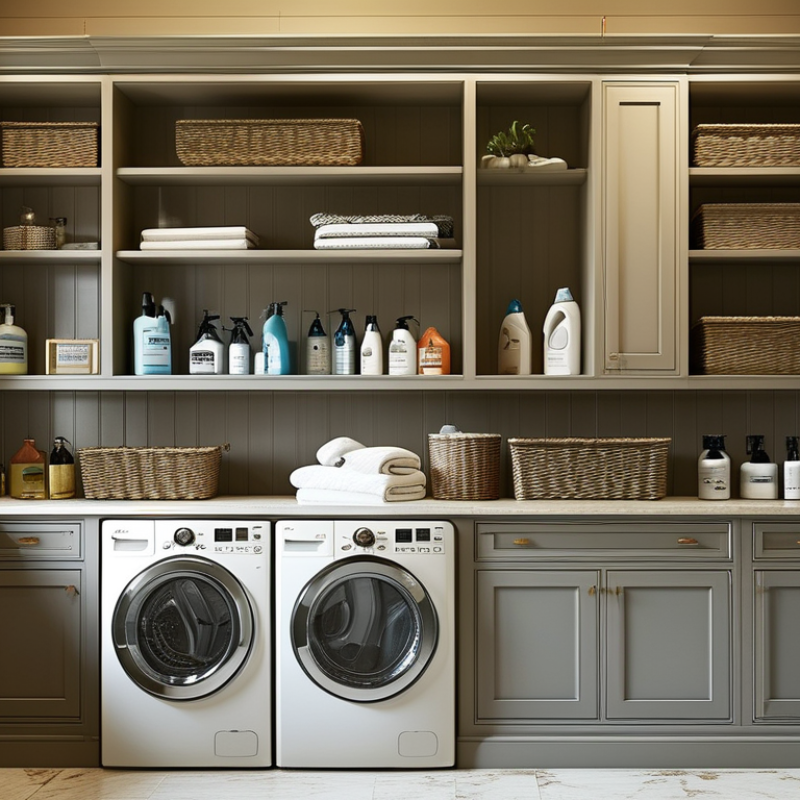
What is the best layout for laundry room cabinets?

Factors to Consider When Designing Laundry Room Cabinets

When designing laundry room cabinets, multiple factors play a crucial role. The layout should maximize space while ensuring functionality. According to a survey by the American Institute of Architects, 62% of homeowners prioritize efficient storage in utility areas. This insight underscores the importance of thoughtful cabinet design.

Consider the dimensions of your laundry room. A compact space may benefit from vertical cabinets that utilize height. Wall-mounted cabinets can also create more floor space. A report from Houzz indicates that 40% of users focus on customizing storage solutions. Options like pull-out shelves and organized compartments can make a significant difference.

Lighting and ventilation are additional aspects to address. Poor lighting can make laundry tasks tedious. A well-lit area improves visibility and reduces errors. Incorporating overhead lights and natural sources can create an inviting atmosphere. Meanwhile, ventilation helps prevent moisture build-up, which can damage cabinets over time. Balancing aesthetics with practicality often leads to reflection in design choices. Finding the right materials and finishes is essential; they should withstand wear while complementing the overall decor.

Popular Cabinet Styles for Laundry Rooms

When designing a laundry room, cabinet styles play a crucial role. According to a recent study by the National Kitchen and Bath Association, nearly 70% of homeowners prioritize functional yet stylish cabinetry. Modern styles are trending, featuring sleek lines and minimalist designs. Shaker cabinets offer a classic appeal while being versatile enough for various decors. They blend functionality with aesthetic charm, making them a favorite choice.


Open shelving is gaining popularity. Homeowners appreciate the ease of access while showcasing decorative items. However, storing cleaning supplies and laundry essentials can be challenging with this style. A combined approach may work best. Using closed cabinets for storage and open shelves for display blends practicality with style.


Tips: Use lighter colors to create an illusion of space. Bright hues can significantly affect the room's ambiance. Consider incorporating vertical storage solutions to utilize wall space effectively. This not only enhances organization but also provides a modern touch. Keep in mind that overcrowding cabinets can lead to chaos. Reflect on your storage needs before finalizing your choices.

Optimal Layout Configurations for Functionality and Space

When designing a laundry room, optimizing cabinet layout is crucial for both functionality and efficiency. According to the National Kitchen and Bath Association, effective configurations can significantly improve workflow. A popular option is the L-shape layout, which maximizes corner space while providing easy access to appliances and storage. This design keeps the area open and organized, allowing users to multitask efficiently.

Incorporate tall cabinets to utilize vertical space. This can accommodate less frequently used items, keeping the lower areas clear for daily necessities. Additionally, installing shelves above the washer and dryer offers handy spots for detergents and other supplies. A well-planned laundry room can reduce clutter and streamline tasks, which is vital in a busy household.

Tip: Always consider a work surface near the washer for sorting and folding. This small addition can save time and create a more pleasant laundry experience. Evaluate your specific needs and space limitations; sometimes, the best layout isn't what you initially envisioned. Flexibility and an eye for detail can lead to a more satisfying space.

Maximizing Storage Solutions in Laundry Room Designs

When designing a laundry room, maximizing storage solutions is vital. An efficient layout should cater to functional needs while offering optimal organization. A report from the National Kitchen and Bath Association highlights that 47% of homeowners prioritize storage in their laundry spaces. Incorporating cabinets can significantly enhance organization and efficiency.

Open shelving is more commonly chosen, but cabinets can offer better concealment for cleaning supplies and laundry essentials. Using upper cabinets can create vertical storage which frees up floor space. According to a survey, 74% of homeowners find cabinetry essential for a clutter-free environment. Allocating space for hampers and folding areas is crucial too.

Reflect on your storage needs. Often, people underestimate the amount of space required for larger items like ironing boards or vacuums. A well-considered cabinet layout can make these items more accessible. Experimenting with modular units can also provide flexibility. This approach ensures that your laundry room remains functional and tailored to your specific needs, while enhancing overall usability.

Integrating Aesthetics and Durability in Laundry Cabinets

When selecting cabinets for your laundry room, aesthetic appeal and durability are crucial. While many focus on style, the materials used impact long-term functionality. Cabinets need to withstand moisture and harsh detergents. Opt for materials like plywood or laminate that resist warping and fading. Choose colors that complement your home while providing a clean, organized look.

Quality hinges and handles can increase a cabinet's lifespan. These small details may seem insignificant but affect daily use. Ensure they are robust and easy to operate. Consider adding open shelving for frequently used items. It adds ease to accessibility and creates a visually appealing layout.

Tips: Choose waterproof finishes to prevent damage. This is often overlooked but essential for laundry areas. Regularly check for signs of wear. Maintenance can extend the life of your cabinets significantly. Reflect on how your laundry space will evolve over time. What works today may not fit tomorrow’s needs. Think ahead to make better choices now.

FAQS

: What factors are important in laundry room cabinet design?

: Consider the layout, dimensions, storage needs, lighting, and ventilation.

How can I maximize space in a small laundry room?

Use vertical cabinets and wall-mounted options to create more floor space.

What storage solutions work best in laundry rooms?

Incorporate cabinets, open shelving, and pull-out shelves for better organization.

Why is lighting important in a laundry room?

Good lighting improves visibility and reduces mistakes during laundry tasks.

What layout is effective for a laundry room?

An L-shape layout maximizes corner space and improves workflow for multitasking.

How can I keep my laundry room organized?

Allocate space for hampers and folding areas to reduce clutter effectively.

What materials should I consider for laundry room cabinets?

Choose durable materials that can withstand wear and fit your decor.

Why is ventilation necessary in a laundry room?

Proper ventilation prevents moisture build-up, protecting cabinets from damage.

How can a work surface enhance laundry tasks?

A work surface saves time and provides a spot for sorting and folding clothes.

What should I reflect on when designing my laundry room?

Assess your specific needs and storage requirements to create a functional space.

Conclusion

When considering "What is the best layout for a laundry room cabinet," several key factors come into play. First, it’s essential to evaluate the space available, including dimensions and the existing plumbing. Popular cabinet styles, such as modular or built-in designs, can enhance both functionality and aesthetic appeal. Optimal configurations often include upper and lower cabinets, ensuring easy access to supplies while maintaining a clutter-free environment.

To maximize storage solutions, incorporating features like pull-out shelves, laundry hampers, and deep drawers can significantly improve usability. Additionally, blending aesthetics with durability is crucial, as laundry room cabinets must withstand moisture and frequent use. By thoughtfully addressing these elements, homeowners can design a laundry space that promotes efficiency and visual harmony while answering the question of the best layout for their specific needs.

Oliver

Oliver

Oliver is a seasoned marketing professional with a wealth of expertise in driving brand awareness and engagement. With a deep understanding of our company's product offerings, he consistently delivers high-quality content that enriches our professional blog. His insights not only shed light on......