AJS Furniture
In 2026, sustainable custom cabinetry means more than choosing a green label. It requires careful attention to timber sources, adhesives, finishes, hardware, and service life. What are the eco-friendly standards for custom cabinetry? This question deserves evidence, not marketing language. Responsible manufacturers should identify FSC or PEFC-certified wood, recycled materials, and verified chain-of-custody documentation. They should also explain whether panels meet recognized formaldehyde limits, such as TSCA Title VI or CARB Phase 2 requirements, where applicable.
Look closely at the workshop.
Low-VOC coatings can improve indoor air quality, but “low-VOC” does not mean impact-free. Ask for product data sheets and independent test results. Durable hinges, repairable doors, and replaceable panels can reduce waste over many years. A cabinet that survives two renovations may be more sustainable than a cheaper cabinet with recycled content. This practical detail is often overlooked.
Transportation and packaging also matter. Flat-pack protection, regional sourcing, and recycled cardboard can lower unnecessary emissions. However, local production alone does not prove environmental responsibility. Energy use, waste handling, and worker practices still require verification. Reliable suppliers should disclose these details clearly.
Some standards remain difficult to compare.
This guide examines the leading eco-friendly benchmarks for custom cabinetry in 2026. It also questions weak claims, incomplete certifications, and confusing environmental promises. The goal is practical judgment: choosing cabinetry that performs well, supports healthier interiors, and creates fewer long-term burdens. No cabinet is perfect. Better decisions begin with honest questions.
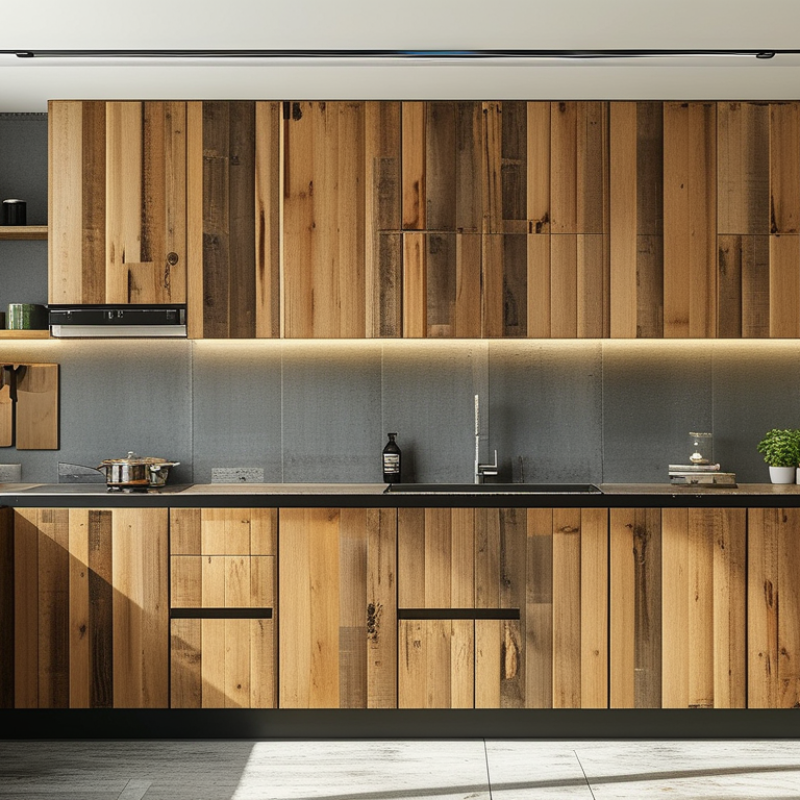
Eco-friendly custom cabinetry now means more than a recycled-looking finish. It requires measurable decisions about timber, adhesives, emissions, durability, and waste. The U.S. Environmental Protection Agency notes that indoor pollutant levels can be two to five times higher than outdoor levels. Therefore, low-emitting panels and finishes matter in daily living spaces.
Formaldehyde performance deserves close attention. California’s Airborne Toxic Control Measure sets limits of 0.05 ppm for hardwood plywood, 0.09 ppm for particleboard, and 0.11 ppm for medium-density fiberboard. These figures give cabinetmakers a practical benchmark.
However, compliance alone does not prove a cabinet is environmentally responsible. A durable box with replaceable doors may prevent future waste better than a fashionable, short-lived alternative.
Forestry claims also need verification. The Forest Stewardship Council reported more than 160 million hectares under certification in 2024, showing the scale of responsible forest management. Project teams should request chain-of-custody evidence, environmental product declarations, and clear material disclosures. LEED guidance increasingly supports this transparency.
Still, imperfect information remains common. Some “green” panels travel long distances, while local materials may lack detailed documentation. The honest approach is to compare the whole product life cycle, not one attractive label.
Repairability should be discussed early. So should offcut recovery.
In 2026, eco-friendly custom cabinetry should begin with verified wood sources, not attractive green claims. The FAO Global Forest Resources Assessment 2020 found that forests cover about 31% of global land. It also recorded 420 million hectares of forest loss between 1990 and 2020. Responsible sourcing therefore matters at every panel, drawer, and trim piece. Ask suppliers for chain-of-custody documents and species information. Reclaimed wood can reduce demand for virgin timber, but its moisture history requires careful inspection.
Recycled content deserves equal attention. Specify panels with documented post-consumer or pre-consumer content, and request calculations based on ISO 14021 principles. Avoid vague phrases like “eco board.” Ask for the percentage, source, adhesive type, and formaldehyde emissions test. EPA research on municipal solid waste shows that wood remains a significant discarded material stream, making reuse and recovery practical priorities. Still, recycled content is not automatically safer. Poor binders can undermine an otherwise responsible cabinet.
Tips: Request an Environmental Product Declaration when available. Compare recycled content by weight, not marketing language. Check edge bands, coatings, and hardware separately. A cabinet may use recycled panels yet contain high-impact finishes. I have also found that project teams overfocus on wood certification and overlook replacement durability. That is a real weakness. A longer-lasting cabinet can prevent another manufacturing cycle, but durability claims need evidence, not confidence. Review testing, repair options, and expected service life before approval.
Custom cabinetry can quietly influence indoor air quality long after installation. The U.S. Environmental Protection Agency reports that indoor pollutant levels may be two to five times higher than outdoor levels. In some homes, concentrations can exceed outdoor levels by 100 times. Cabinet panels, finishes, and adhesives deserve close attention.
Choose water-based, low-emission coatings and adhesives with documented testing. Ask for formaldehyde emissions data, not vague “green” language. The World Health Organization’s 2021 guidelines recommend keeping indoor formaldehyde below 0.1 mg/m³ over 30 minutes. This target matters in kitchens, where heat can accelerate chemical release. A cabinetmaker should also allow adequate curing time before installation.
Edge sealing is practical. Fully sealed edges reduce exposed composite-core surfaces. Mechanical fasteners can sometimes reduce adhesive use, though they may affect design flexibility. Ventilation during installation helps, but it cannot repair poor material selection. I have seen projects prioritize attractive finishes while treating airflow as an afterthought. That is a mistake.
Independent certification can strengthen credibility when test methods and limits are clearly published. However, certification alone is not a substitute for site ventilation, moisture control, and proper cleaning practices. EPA guidance emphasizes source control as the most effective indoor-air strategy. Therefore, specify low-emission materials early, review technical sheets, and record product batches for future reference. Small documentation gaps remain common. They should not.
Lower formaldehyde emission limits support better indoor air quality. The values shown are the U.S. EPA TSCA Title VI emission limits for composite wood products commonly used in cabinetry.
For a lower-emission cabinet specification, select compliant composite wood panels, use low-VOC finishes and adhesives that meet applicable local VOC limits, and verify indoor-air performance against recognized criteria such as the California Department of Public Health (CDPH) Standard Method v1.2.
Reference values: EPA TSCA Title VI limits are 0.05 ppm for hardwood plywood, 0.09 ppm for particleboard, 0.11 ppm for MDF, and 0.13 ppm for thin MDF. CDPH v1.2 includes a formaldehyde indoor-air concentration limit of 9 µg/m³ and a TVOC reference limit of 500 µg/m³ under its testing framework.
Responsible manufacturing begins with material traceability. Cabinet makers should document where timber, panels, finishes, and hardware originate. Reclaimed wood can reduce demand for new resources when its condition is verified. Low-emission adhesives and water-based coatings can improve indoor air quality. Worker protection matters too, including dust extraction, training, and properly maintained equipment.
Energy use deserves measurable attention. Efficient cutting machines, LED lighting, and smart heating controls can reduce workshop consumption. Kiln-dried timber requires significant energy, so responsible suppliers should record drying methods and electricity use. Renewable power may help, but claims need supporting records. Numbers build trust.
Waste reduction starts during design. Digital cutting plans can place doors and panels more efficiently, leaving fewer offcuts. Small wood pieces may become test samples, drawer components, or repair parts. Clean sawdust can sometimes support approved material recovery systems. Packaging should use fewer mixed materials and avoid unnecessary plastic. Zero waste sounds attractive, but it is rarely realistic. A workshop may still discard damaged panels, contaminated dust, or failed finishes. Honest reporting is better than perfect-looking promises. Supplier audits also need regular review, because one inspection cannot reveal every daily practice.
2026 Top Eco Friendly Standards for Custom Cabinetry
Certification should be more than a green label on a sample door. Request current certificates for wood sourcing, recycled content, and formaldehyde emissions. Check whether documents cover the actual panels, adhesives, coatings, and hardware. Third-party chain-of-custody records provide stronger evidence than vague environmental claims. Low-VOC finishes also improve indoor air quality, but “low” does not mean emission-free.
Installation affects sustainability every day. Measure carefully before fabrication to reduce offcuts and replacement work. Experienced installers should protect walls, level cabinets accurately, and seal exposed edges near sinks. Use mechanical fasteners where practical, because they support future repairs and removal. Ventilate the room during installation and follow curing instructions. Small mistakes matter.
Maintenance should use a soft cloth, mild cleaner, and controlled moisture. Harsh chemicals can damage finishes and shorten service life. Keep hinges adjusted before doors begin scraping. Replace one damaged panel instead of discarding an entire cabinet system. That approach saves materials, although matching an older finish can be imperfect.
At end of life, remove doors, drawers, screws, and mixed materials separately. Reuse sound boxes for storage or donate them through appropriate local channels. Recycle metal hardware and suitable wood through accepted facilities. Composite panels may have limited recycling options, so confirm local requirements first. Never assume every “eco” cabinet can be recycled. Reliable records, careful installation, and honest maintenance decisions create the real standard.
: Ask for species details and chain-of-custody documents. Attractive environmental claims are not enough.
Not always. Inspect its moisture history, warping, insects, odors, and previous storage conditions.
Request the recycled percentage by weight. Confirm whether the content is post-consumer or pre-consumer.
Ask about the adhesive type and formaldehyde test results. Check edge bands, coatings, and hardware separately.
No. Poor binders can create emissions. Recycled material still needs reliable testing.
Longer service life may prevent another manufacturing cycle. Review testing, repair options, and expected use.
Choose documented, low-emission, water-based products when suitable. Request technical sheets and test data.
No. Ventilation helps during installation, but source control matters more. That point is often underestimated.
Seal exposed composite edges and allow proper curing time. Mechanical fasteners may reduce adhesive use.
Keep product batches, emission data, material percentages, and maintenance instructions. Documentation gaps remain common. They should not.
In 2026, eco-friendly custom cabinetry means choosing materials, finishes, and production methods that reduce environmental impact while supporting healthy indoor spaces. What are the eco-friendly standards for custom cabinetry? They include responsibly sourced wood, recycled or reclaimed content, durable construction, and transparent material information. Cabinets should use low-emission coatings, adhesives, and sealants to help protect indoor air quality, while avoiding unnecessary toxic substances. Sustainable design also considers long service life, repairability, and efficient use of raw materials.
Responsible manufacturing is equally important. Producers should limit energy and water consumption, reduce cutting waste, reuse or recycle offcuts, and manage packaging thoughtfully. Certification or documented sourcing can help verify environmental claims, but installation practices also matter, including low-waste fitting and proper ventilation during finishing. Regular maintenance with gentle products can extend cabinet life and prevent premature replacement. At the end of use, components should be dismantled where possible, with wood, hardware, and other materials repaired, reused, or recycled instead of being sent directly to landfill.
