AJS Furniture
Understanding "When to replace old interior doors" is crucial for homeowners seeking to enhance their property value. According to a HomeLight report, replacing interior doors can yield an impressive 70% return on investment. Interior doors not only affect aesthetics but also contribute to energy efficiency and functionality. Outdated doors may compromise a home's insulation, leading to higher energy costs.
In a market driven by first impressions, the entryway plays a pivotal role. Homebuyers often notice doors during viewings. A well-maintained set can create a positive impact. Conversely, worn-out features can deter potential buyers. Real estate experts recommend assessing door conditions every five to seven years. This timeframe balances aesthetic value with practical upkeep.
Reflecting on this, many homeowners overlook the significance of their interior doors. They may wait too long, resulting in steeper replacement costs later. Regular evaluations can guide timely decisions. Identifying signs, such as misalignment or damage, can spur necessary updates. It is important not to underestimate how door aesthetics influence both comfort and resale potential.
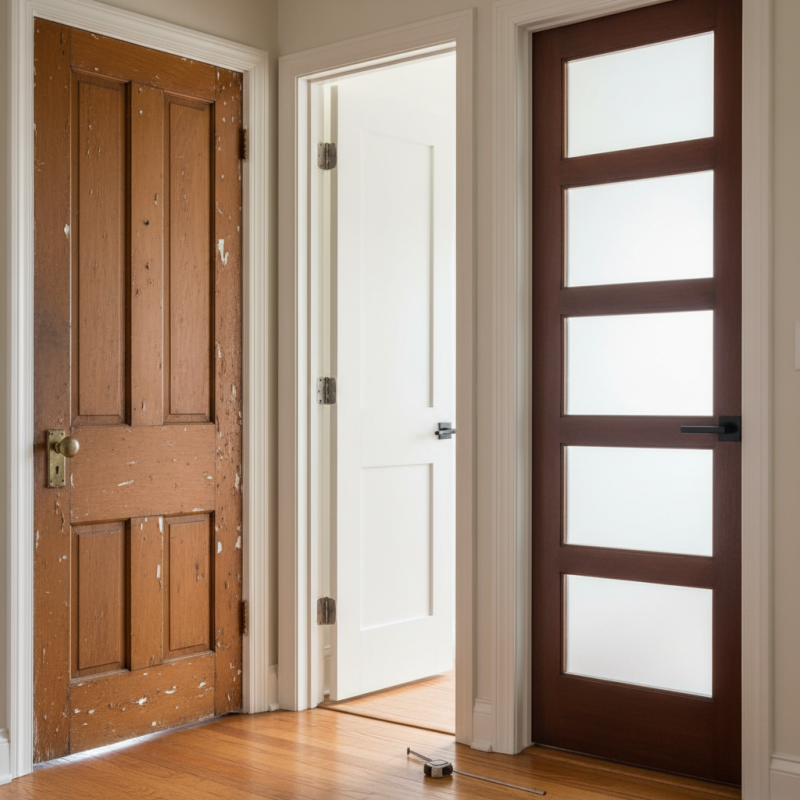
When assessing old interior doors, several factors come into play. The age of the doors is essential. If they are decades old, they may lack modern insulation and security features. Cracked or peeling paint is another sign. This not only diminishes appearance but can also amplify maintenance costs.
Consider the door material as well. Solid wood doors can provide durability, while hollow-core doors may be cheaper but less sturdy. Upgrading to solid doors can enhance both aesthetics and insulation. Pay attention to the style too. Outdated designs can drag down your home’s overall appeal.
You should also evaluate functionality. Do the doors stick or squeak? These issues can indicate wear. Sometimes, a simple repair may suffice. Other times, replacement may offer a better return on investment. Reflect on how these factors impact your home’s value. Balancing cost and benefit is key in making the right decision.
This chart illustrates the average home value increase associated with replacing old interior doors over varying ages of the doors. Homeowners should consider replacement when doors reach the end of their life cycle, typically around 10-20 years, based on material wear and functionality.
The condition of interior doors plays a crucial role in determining home value. Worn, outdated doors can create a negative impression. They signal neglect or a lack of care for the property. Moreover, potential buyers often view these details as warning signs, affecting their offers.
A door's physical state can reflect broader maintenance levels. Scratched surfaces or outdated styles can make spaces feel less inviting. They can even detract from the overall aesthetic appeal of your home. Replacement may seem unnecessary, but it can significantly uplift a room’s character. Fresh doors can improve functionality while adding a modern touch.
Homeowners often underestimate this impact. It's worth considering a door upgrade, especially if you're planning to sell. Not all doors require replacement; sometimes a quick touch-up suffices. Yet, older doors might require complete swaps. Be mindful of the balance between cost and potential added value. Each transition offers a chance for improvement. Reflect on your choices to enhance overall appeal.
Interior doors play a critical role in your home’s aesthetic and functionality. Over time, they can wear down, losing both appeal and efficiency. Noticeable signs indicate it's time to consider a replacement. If your doors show significant scratches or dents, their visual impact suffers. A door that sticks or creaks may also hint at underlying issues. A poor fit can lead to drafts, undermining your home's energy efficiency.
Tips: Pay attention to any signs of rot or water damage. This can indicate deeper issues within your home. Inspect the hardware—do the knobs and hinges work smoothly? Difficulty in operation suggests it's time for a change.
Another key indicator is noise. If your interior doors squeak or don't close properly, they disrupt your living space. Consider how they affect your household's comfort. Enhanced privacy is essential, particularly in busy homes. Replacing faulty doors can significantly improve tranquility.
Tips: Choose materials that complement your home’s design. A fresh coat of paint can also refresh your existing doors if replacement isn’t urgent. Don’t overlook accessibility. Ensure doors accommodate everyone in your household.
Choosing the right style and materials for interior door replacement significantly impacts your home's value. Many homeowners overlook this aspect, but it can make a big difference. The style of the doors should match your home's overall aesthetic. A modern home benefits from sleek, minimalist doors, while a traditional setup may require classic panel doors. Consistency in design throughout your home creates a harmonious feel that appeals to buyers.
Material choice is equally crucial. Solid wood doors provide superior durability and warmth. They offer an authentic touch that enhances a home’s character. However, they can be expensive and may require more maintenance. In contrast, hollow-core doors are lightweight and budget-friendly but lack the same charm. They may not age well and could lessen your home’s appeal over time.
Consider the door’s functionality as well. A door should not only look good but also serve a specific purpose. For instance, a bathroom door needs to guarantee privacy while blending in with the style of the home. Reflecting on the balance between aesthetics and functionality is essential in making the right choice. Each detail matters, and making informed decisions will ultimately elevate your home’s value.
Replacing old interior doors can significantly enhance your home's value. However, the decision should be carefully considered. The cost of new doors varies widely. Quality doors can be a substantial investment, from material types to installation services. Homeowners often wonder, is the expense worth it?
The return on investment (ROI) for door replacement often lies in improved energy efficiency and aesthetics. New doors can provide better insulation. They can also elevate the perception of your home. However, not all replacements yield high returns. In some cases, the cost may outweigh the benefits. It’s crucial to assess your local market trends and what potential buyers value.
Consider the emotional aspect of home improvement as well. A new door can transform your space. Yet, there may be a lingering hesitation about spending. Homeowners sometimes overlook the small details that matter. Evaluate how your current doors impact daily life. This reflection can guide your decisions, ensuring that your investment aligns with your home’s overall appeal.
: Look for significant scratches, dents, or operational issues. Doors that stick or creak may also need attention.
Check for rot or stains on the door. These issues might indicate deeper problems in your home.
Yes, if doors squeak or don’t close properly, they can disrupt your living space and comfort.
Poorly fitting doors can lead to drafts, increasing energy bills. New doors offer better insulation.
Absolutely. Choose materials that match your home’s aesthetic. This can enhance visual appeal.
The return on investment varies. Weigh the cost against improved efficiency and aesthetics for your home.
Yes! A fresh coat of paint can rejuvenate doors if replacement isn’t necessary right now.
Ensure that new or existing doors accommodate everyone in your household for better accessibility.
Analyze how they affect daily life. Small issues can guide your decision on replacing them.
A new door can transform your space. However, don’t let hesitation stop you from improving your home.
Determining "when to replace old interior doors" involves several factors that can significantly influence a home's value. Homeowners should evaluate the condition of their doors, noting any signs of wear, damage, or outdated styles that can detract from the overall aesthetic appeal of their living space. Old or damaged doors can negatively impact home value, making it crucial to recognize when it's time for an upgrade.
Key indicators for replacement include visible deterioration, poor functionality, and a style that no longer complements the home’s decor. Choosing the right style and materials for new doors can enhance both form and function. Lastly, analyzing the cost versus value of door replacement is essential; investing in high-quality doors can yield a favorable return on investment, ultimately contributing to a more appealing and valuable home.
